
The Internet’s Obsession With Retro Tech Explained
At some point during a late scroll, the pattern becomes hard to ignore. A video opens with shaky footage from a handheld camera that clearly predates smartphones. Someone snaps a flip phone shut and pockets it with intention. The comments are not ironic.
People talk about how it “feels quieter” or how they forgot what buttons sounded like. This is not retro nostalgia for its own sake. It is a response to modern devices that never rest and never stop asking for attention. Updates arrive constantly.
Interfaces change without warning. For many users, retro tech now represents something stable. These tools feel finished. They behave the same way every time you turn them on. That reliability has become rare.

The Role of Digital Fatigue in Retro Tech’s Comeback
Modern devices collapse too many roles into one object. The same screen handles work, social life, entertainment, payments, navigation, and memory. That efficiency comes with side effects. Everything competes for attention. Even moments meant for rest feel conditional, as if they can be interrupted at any time.
Older devices create distance by default. A music player does not deliver messages. A camera does not pull in news alerts. Tasks begin and end cleanly. When the function is finished, the device becomes quiet again.
Many people are discovering that this separation feels healthy. It introduces pauses that modern software removed. You cannot scroll endlessly on a camcorder. You cannot multitask on a cassette player. Those limits force presence, whether the user intended it or not. Over time, that presence starts to feel like relief rather than an inconvenience.
Nostalgia as a Cultural and Emotional Trigger
Nostalgia is often framed as longing for the past, but it also acts as an orientation. For millennials, older devices connect to shared experiences: watching home videos, waiting for photos to be developed, and sitting near the family computer. For younger users, these objects represent a slower rhythm they never personally lived but frequently imagine.
The emotional pull does not rely on accuracy. People are not trying to recreate exact timelines or workflows. Instead, they respond to physical cues. Buttons require pressure. Screens are smaller. Sounds are mechanical. These details register quickly and bypass rational comparison.
Memory works through sensation. That is why these devices feel comforting even when they are inefficient. They anchor users in a moment that feels tangible, especially in contrast to software that constantly shifts shape.
Why Vintage Camcorders Became a Creative Favorite?
Vintage camcorders occupy a unique position in this trend. Early digital and tape-based models handle motion in unpredictable ways. Highlights blow out. Movement blurs. Colors bleed into one another. These traits flatten realism but deepen feeling.

Creators use these cameras to record ordinary moments: walking down the street, sitting at a table, laughing with friends. The footage does not try to be sharp or clean. It accepts mistakes. Shaky framing stays. Focus drifts.
There is also something freeing about limited storage and battery life. You record less. You choose moments more carefully. According to Capture, these constraints change how people film.
Importantly, these devices remain usable. Footage can be transferred through adapters or capture services without much friction.
Certain models are now known for their reliability and image character. In this context, retro tech stops being a reference point and becomes an active creative decision.
Aesthetics Over Efficiency: Why Old Tech Looks Better Online
Older electronics photograph well because they carry visible history. Scratches, faded labels, and yellowed plastic add context. Nothing looks untouched. That wear signals use, not neglect.
Online platforms reward this kind of texture. Grainy footage feels intentional. Uneven lighting suggests real environments rather than controlled setups.
Viewers often describe this content as more “honest,” even if they cannot explain what that means. And mobile gamers love emulators that let them play older games from retro devices.
In visual culture, retro tech functions as a shortcut. It immediately communicates mood. The device itself becomes part of the frame rather than something hidden off camera. That presence makes the content feel less processed, which helps it stand out in feeds full of polished repetition.
Retro Tech as a Reaction to Planned Obsolescence
Another layer sits beneath the aesthetic appeal. Many modern devices feel temporary. Batteries are sealed. Repairs are discouraged. Software support ends abruptly. Ownership feels conditional, dependent on updates and compatibility.
Older electronics suggest a different contract. They were meant to be opened. Manuals existed. Screws were visible. Users could understand what they owned.
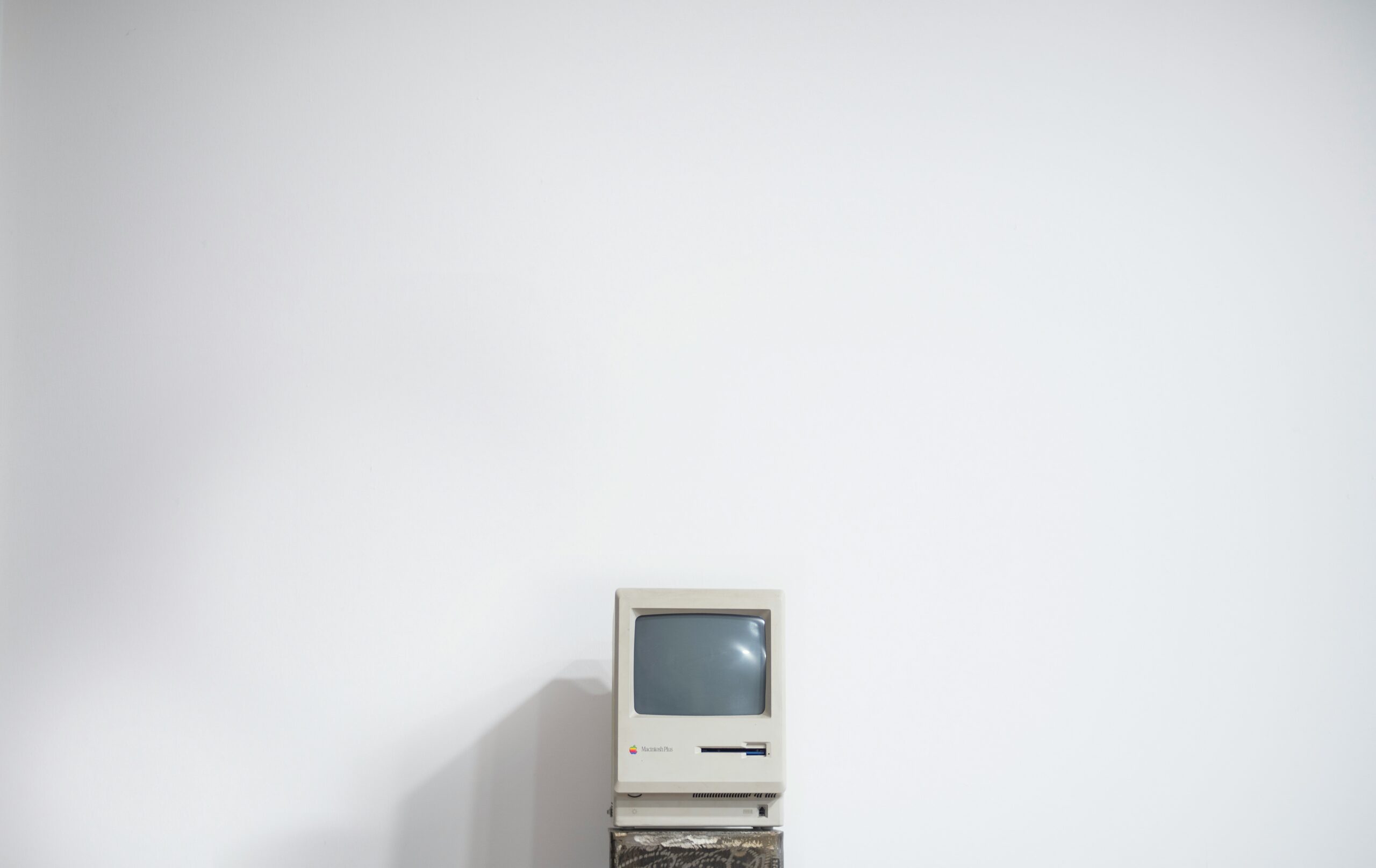
For some people, repairing or maintaining old hardware becomes part of the appeal. It restores a sense of agency that modern devices removed. Buying secondhand equipment extends the life of materials already produced. That choice feels practical, but it also feels personal.
Choosing retro tech can function as a quiet refusal of constant replacement. It does not require activism or messaging. It simply favors continuity over churn.
The Influence of Online Communities and Algorithms
This trend would not sustain itself without community. Forums, comment sections, and creator circles reward curiosity and experimentation. People share repair advice, sourcing tips, and side-by-side comparisons. Knowledge circulates freely.
Algorithms amplify differences. When one video featuring old hardware performs well, similar content follows. Repetition normalizes what once felt niche. Over time, the unusual becomes familiar.
Community validation reinforces behavior. Seeing others enjoy the same tools lowers hesitation. Interest grows through shared experience rather than marketing campaigns, which gives the trend longevity.
Why Retro Tech Isn’t Just a Phase?
This fascination points to a broader discomfort with how modern technology behaves. Many people want tools that ask less and interrupt less. Older devices offer boundaries, texture, and predictability.
They allow moments to exist without optimization. That is why retro tech continues to resurface across platforms. It responds to emotional and cultural needs that current design often overlooks. As long as digital overload remains part of everyday life, this interest will continue to feel relevant.

Jim's passion for Apple products ignited in 2007 when Steve Jobs introduced the first iPhone. This was a canon event in his life. Noticing a lack of iPad-focused content that is easy to understand even for “tech-noob”, he decided to create Tabletmonkeys in 2011.
Jim continues to share his expertise and passion for tablets, helping his audience as much as he can with his motto “One Swipe at a Time!”