
The Streaming Stack On Every Family iPad: Why Parents Are Switching The Disney Bundle To A Prepaid Card In 2026
Disney+ raised its prices in October 2024, with the ad-free base plan increasing from $13.99 to $15.99 per month. It also bumped the annual plan up from $139.99 to $159.99. The ad-supported option jumped from $7.99 to $9.99 per month.
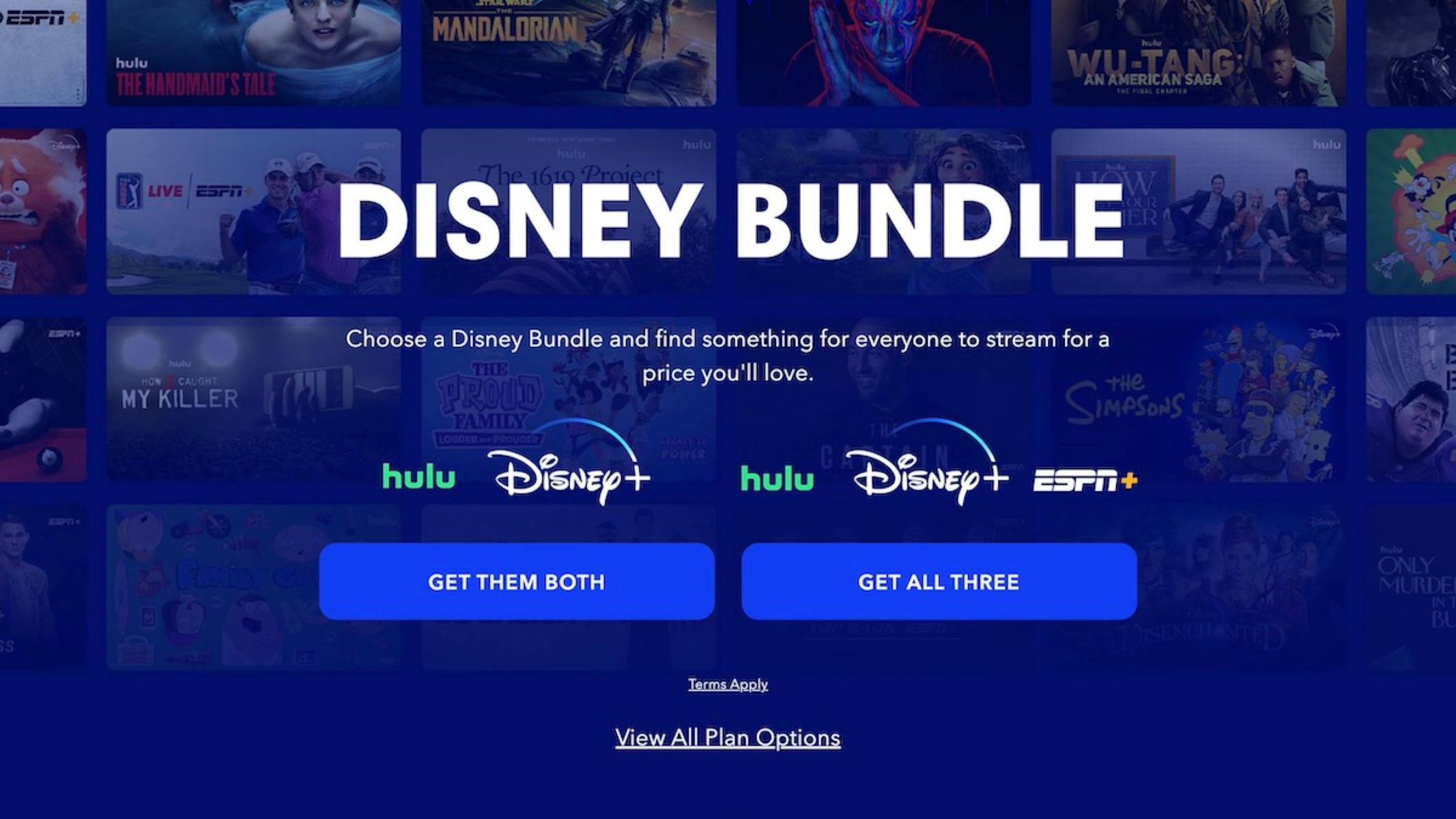
Hulu and Disney's ESPN+ got corresponding changes across their price tiers. The price for the Disney bundle followed suit. Which, in the case of a family using all three through a single Apple ID, means multiple charges are applied to the same card on the same day each month.
According to Deloitte's 2025 Digital Media Trends survey, nine in ten US households now have at least one paid SVOD service. Typical subscribing home has four services and spends about $69/month on streaming video, which means $828 a year being shuffled through auto-renewing apps, silently in the night.
In the same Deloitte survey, 47% of consumers say they overpay for streaming. Fragmentation of platform solutions accounts for 46% of cancellations.
How the Family iPad Became the Streaming Budget Hub?
Family Sharing groups all App Store subscriptions under a single Apple ID and payment method. Which is why every renewal for a Disney+, Hulu, or ESPN+ account is charged to the same card. When one of the kids forgot to cancel the Minecraft Realms subscription, some extra iCloud storage, and Apple Music, things started to get a little mushy.
Parents are used to having each of those charges for a day break out as neat, discrete services, so they generally don’t register. Your Application Store payments, all bundled in one long series of charges, for the family iPad. Disney isn't even typically the top cost in that stack, but it kind of pops the most since kids are on it literally every day.
Auto-renewed subscriptions rarely make users feel like they are making a decision. The charge just continues on, and nobody cares about it until one day, some parent goes looking through the credit card statement notices Disney alone came to $191.88 for the year, and Netflix came to $239.88.
It's typically only when you see the totals all at once that it finally hits home just how much these services quietly accumulate over time.
How does a prepaid card change the math?
Using a Disney gift card for the Disney Bundle breaks the usual auto-renewal cycle without forcing the family to cancel anything else tied to the Apple ID. Instead of charges quietly hitting the same credit card every month, parents decide upfront how much they want to spend for the quarter.
The balance slowly runs down over time, making spending easier to notice. That usually creates a real decision point instead of another automatic renewal slipping by unnoticed.
The card can also be used beyond Disney+, including Disney Parks purchases, Disney+ rentals, and other Disney digital services, making it a shared payment method across much of the Disney ecosystem.
After Disney+ raised its premium ad-free plan to $15.99 a month, more families started looking for ways to put clearer limits around streaming costs without completely giving up the service.
The idea is not necessarily to spend less. It is to make the spending visible before the charges pile up in the background.
What is the practical setup on the iPad?

You can set it up directly from the iPad settings menu. Tap the Apple ID name near the top of the screen, head into iTunes & App Store, then open the Apple ID section again. After a quick Face ID or password check, the option to add funds should appear.
Some families prefer to handle the Disney Bundle this way because it keeps those charges separate from the rest of the Apple subscriptions on the account.
If the bundle runs through Hulu or ESPN+, many also redeem the card directly on Disney’s billing page so the remaining prepaid balance is visible in the Disney app.
The setup takes only a few minutes, but it changes how the spending feels for the rest of the quarter. The family sees a fixed balance slowly being used up over time, rather than another invisible $15.99 charge slipping through every month.
A parent loads the card once in February, then watches it stretch through March, April, and May instead of wondering later where all the streaming money went.

Jim's passion for Apple products ignited in 2007 when Steve Jobs introduced the first iPhone. This was a canon event in his life. Noticing a lack of iPad-focused content that is easy to understand even for “tech-noob”, he decided to create Tabletmonkeys in 2011.
Jim continues to share his expertise and passion for tablets, helping his audience as much as he can with his motto “One Swipe at a Time!”