
Mobile Payments in Everyday Life, How Smartphones Changed the Way We Pay
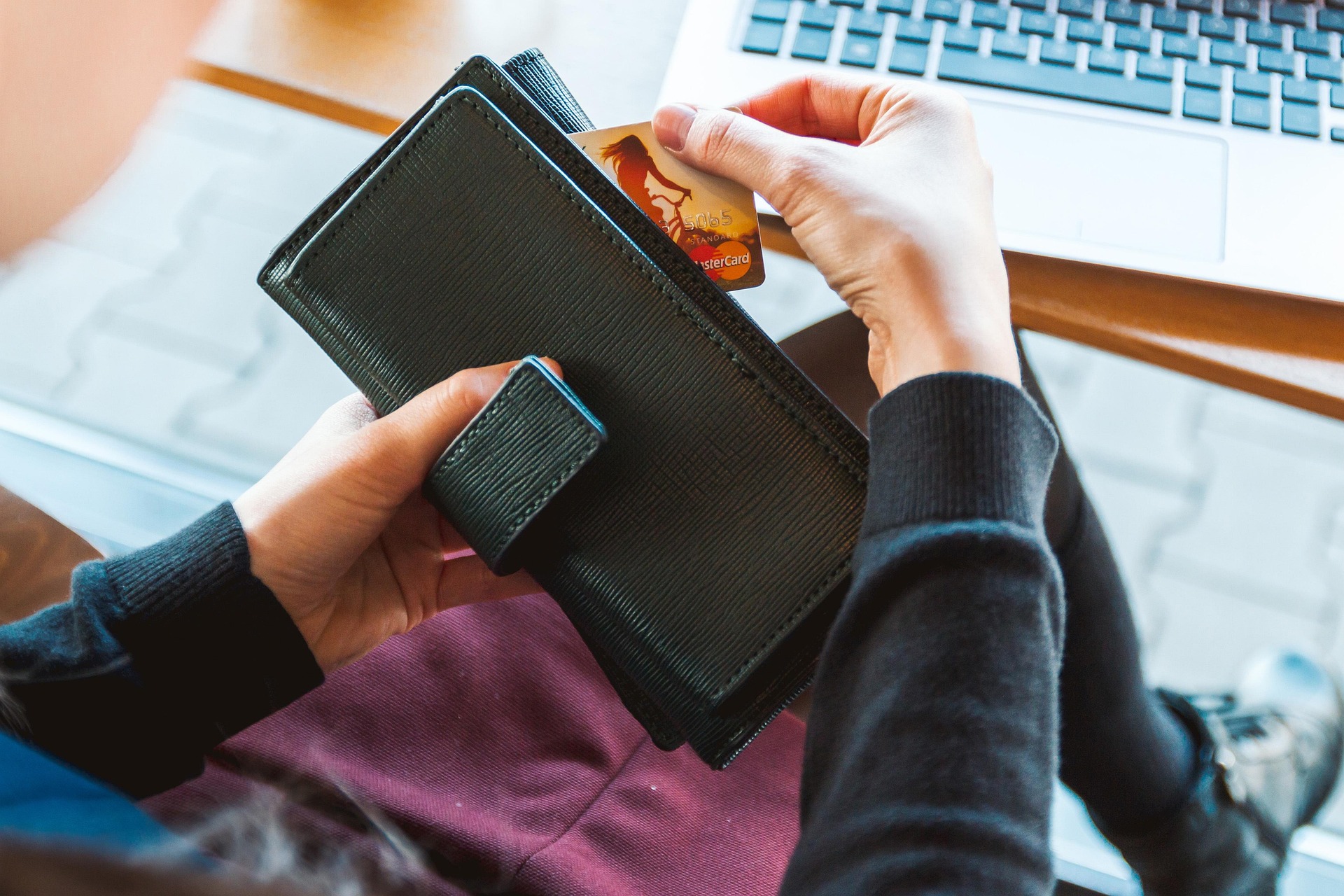
A lot of people leave the house today without cash. Some do not even carry a wallet anymore. The smartphone is enough for paying in cafés, supermarkets, online shops, or food delivery apps.
Paying with a phone became normal surprisingly fast. What felt modern a few years ago is now part of everyday life for millions of people.
From Wallets to Smartphones, How Payments Slowly Changed
Not that long ago, most people still paid with coins, bills, or plastic cards. Today, it is common to see someone paying with their phone at the bakery or in a taxi.
Apps like Apple Pay, Google Pay, and PayPal made mobile payments much easier for everyday situations. In many stores, the process only takes a few seconds. The phone is unlocked, held near the terminal, and the payment is done.
Mobile banking also changed daily routines. People can check transactions while sitting on the train or transfer money during a lunch break.
Even splitting restaurant bills between friends now happens directly through apps. This is one reason why digital wallets became so popular. Everything is stored in one place, and most people already carry their smartphone with them all day anyway.
The Most Popular Payment Apps at a Glance
Mobile payment apps became much easier to use over the last years. Most platforms focus on simple navigation and quick payments.
Some are better for online shopping, while others are more practical for transfers or banking. Compatibility also matters because not every app works with every smartphone or bank. Some of the most common payment apps in Europe include:
| Payment App | Main Features | Availability |
| Apple Pay | Contactless payments, wallet integration | iPhone users |
| Google Pay | Android payments, app integration | Android devices |
| PayPal | Online payments and money transfers | Worldwide |
| Revolut | Banking and international payments | Europe and beyond |
| Klarna | Flexible payments for online shopping | Many online shops |
Most payment apps now support fingerprint login or Face ID. This makes payments faster and also safer in everyday use.
Users can usually store several bank cards inside one app. That becomes practical while traveling or shopping online. Some people even use different apps for different situations depending on which features they prefer most.
Where Mobile Payments Are Used Today?
Mobile payments are no longer limited to online shopping. People use them while ordering food, paying for streaming subscriptions, buying train tickets, or shopping in local stores.
Even small cafés and market stands increasingly support contactless smartphone payments today. For younger users especially, paying with a phone often feels more natural than using cash.
Gaming and online entertainment platforms also adapted quickly to mobile payment trends. In app purchases, livestream donations, and subscription services are usually connected directly to digital wallets or payment apps.
Mobile banking made these payments easier because users can manage everything from one device. This is also one reason why smartphone payments became so common across different industries.
Mobile Payment Methods in Online Entertainment
Digital entertainment changed a lot once mobile payments became faster and simpler. People now subscribe to streaming platforms, buy games, or unlock premium content directly through their phones.
Payments usually happen within seconds. Online gaming platforms also offer several mobile-friendly payment methods today.
Users who want to compare different casino zahlungsmethoden can now find detailed overviews online and check which options work best for smartphones or digital wallets.
Services like PayPal or Apple Pay are popular because users do not need to enter card details every single time. Fast transactions became important because people expect smooth and uncomplicated payments while using entertainment platforms.
Security in Mobile Payments, What Users Should Know
Security is one of the main reasons why mobile payments became trusted so quickly. Most payment apps now use fingerprint scans, Face ID, or additional confirmation steps before a payment goes through. This makes unauthorized access much harder than many people think.
Another important point is encryption. Modern payment systems usually do not send full card details during transactions. Instead, encrypted digital codes are used in the background. Mobile banking apps also send instant notifications after payments.
This helps users notice suspicious activity very quickly. Public Wi Fi can still create risks, especially when passwords or payment details are entered without protection. Regular updates and strong passwords still matter, even with secure payment apps.
What Should Users Look For in Payment Apps?
Not every payment app works the same way. Some focus more on online shopping, while others are designed for transfers or banking.
Before downloading an app, users should check who operates the service and how personal data is stored. Reviews and ratings also help identify reliable providers.
Before using a payment app, it helps to check:
- Fingerprint or Face ID login
- Two factor authentication
- Clear privacy settings
- Trusted app providers
- Regular security updates
- Secure bank connections
- Transparent transaction history
Downloading apps only from official app stores is also important. Fake payment apps still exist and often look very similar to original versions.
Users should also avoid entering sensitive payment details on public networks whenever possible. Small habits like checking permissions or activating payment notifications can make everyday smartphone payments much safer.
Conclusion
Smartphones changed how people handle payments in everyday life. Paying for groceries, subscriptions, train tickets, or online services now takes only a few seconds. Mobile payment apps became popular because they are practical, fast, and easy to use during busy daily routines.
At the same time, security systems improved a lot over the last years. Digital payments will probably continue growing because smartphones already became the center of so many everyday tasks.

Jim's passion for Apple products ignited in 2007 when Steve Jobs introduced the first iPhone. This was a canon event in his life. Noticing a lack of iPad-focused content that is easy to understand even for “tech-noob”, he decided to create Tabletmonkeys in 2011.
Jim continues to share his expertise and passion for tablets, helping his audience as much as he can with his motto “One Swipe at a Time!”