
The Convergence of Tablet Technology and iGaming Innovations
Tablet computing has long been celebrated for its versatility and portability, catering to both professional needs and immersive entertainment.
In recent years, however, the evolution of tablets has taken an unexpected turn, transforming into a vital platform for interactive gaming experiences.
As hardware capabilities continue to improve and mobile connectivity becomes more reliable, tablets are emerging as the nexus between productivity and digital gaming—a trend now extending into the dynamic realm of iGaming.
The Evolution of Tablet Computing in Gaming
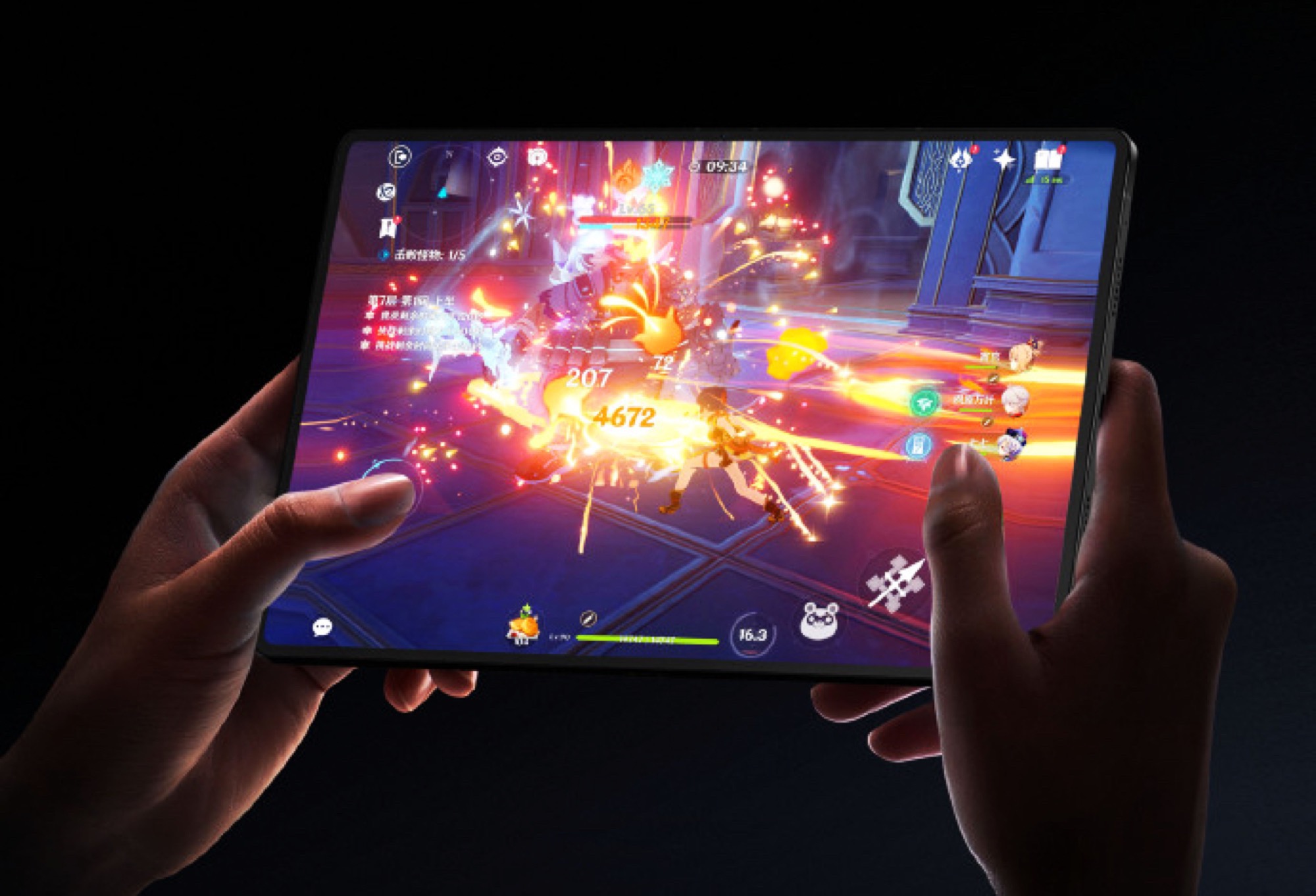
The journey of tablets from static productivity devices to full-fledged gaming tools has been driven by a combination of factors.
Advances in processing power, graphics capabilities, and battery efficiency have enabled these devices to deliver visually immersive experiences that were once the sole domain of high-end gaming consoles and PCs.
This evolution has been further bolstered by the rise in cloud gaming services and mobile app stores offering titles ranging from casual puzzles to complex strategy games.
Analysts point to the increased integration of gaming features into everyday devices as evidence of broader market trends.
Not only are tablets now used for high-quality gaming, but they are also becoming a popular choice for accessing eSports and live-streamed gameplay.
The convergence of hardware improvements and innovative software solutions creates an environment where tablets serve as a gateway to both traditional gaming and emerging segments of the gaming industry.
iGaming Innovations: From Virtual Slots to Sweepstakes
The rapid growth of iGaming has redefined digital entertainment. Although many consumers initially associated online gaming with virtual casinos and sports betting, a new model is emerging that has captured the imagination of tech enthusiasts.
This model uses a dual-currency system, where players can engage in free-to-play formats and even have opportunities to win real prizes.
In particular, the proliferation of newly launched sweepstakes sites is transforming the landscape by offering a legally compliant alternative to traditional gambling.
These systems operate by leveraging non-redeemable in-game currencies alongside redeemable credits to create an environment that skirts typical regulatory constraints while still providing engaging user experiences.
Integral to this approach is a focus on player engagement and technological innovation, as operators work to incorporate social features, tiered loyalty rewards, and intuitive user interfaces that capitalize on the touchscreen capabilities of modern tablets.
The design encourages longer engagement times, as the interactive elements and potential for tangible rewards blend seamlessly with the digital economy.
Research underscores that such regulatory innovations have the potential to reshape consumer expectations, melding seamless entertainment with responsible gaming practices.
Technological Advancements Enhancing the iGaming Experience on Tablets
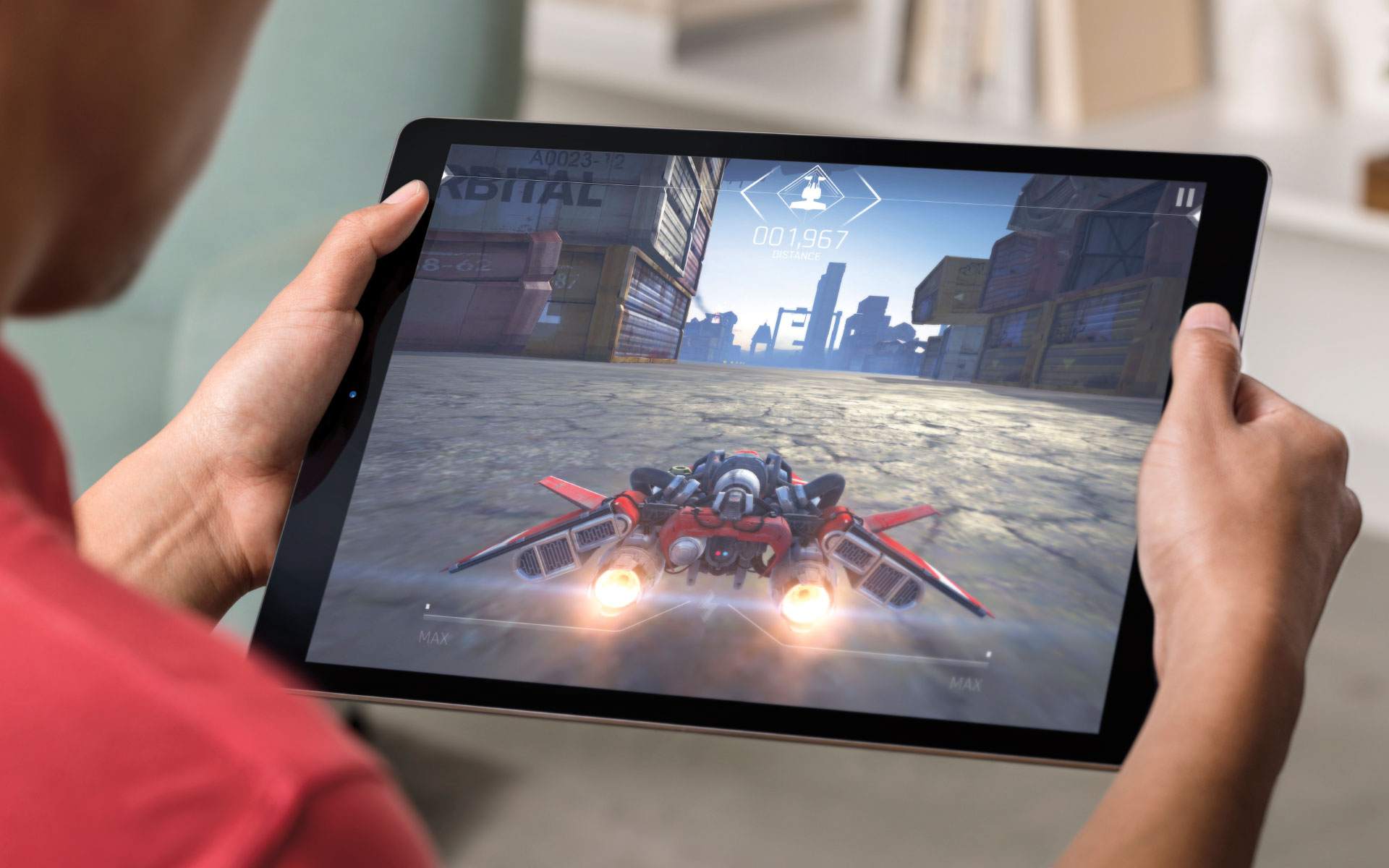
Tablet technology continues to evolve, providing fertile ground for enhancing the iGaming experience. Improvements in high-definition displays, rapid processors, and refined multitouch interfaces have made tablets particularly suited for gaming applications.
For instance, dynamic graphics rendering and responsive controls ensure that even the most intricate games run smoothly.
The portability of these devices also means that gamers can enjoy their favorite titles on the go, turning everyday travel moments into opportunities for immersive gameplay.
Beyond mere performance, industry experts have highlighted the role of robust security protocols and intuitive user interfaces in reinforcing consumer trust.
Studies such as a comprehensive study on securing consumer trust in gaming emphasize that a commitment to data security and ethical gaming practices is crucial in maintaining user confidence—especially as digital platforms expand their offerings.
This trust paves the way for more sophisticated models of engagement, where users are more willing to explore a variety of entertainment options.
In parallel, emerging iGaming models, including those integrated with sweepstakes formats, rely heavily on data analytics to monitor user behavior and fine-tune service offerings.
This technological symbiosis means that tablets not only serve as conduits for entertainment but also as data-rich platforms that inform the next generation of gaming innovations.
Moreover, these advances are supported by industry research, such as a detailed primer on the emerging sweepstakes gaming market, which details market projections and regulatory considerations influencing sweepstakes casino operators.
The combined influence of improved tablet hardware and innovative gaming models is gradually redefining consumer experiences, making digital gaming more interactive, secure, and contextually relevant.
As tablets continue to improve in performance and design, they offer a unique vantage point for bridging the gap between classic gaming and forward-thinking entertainment formats.
Synergies Between Productivity and Entertainment on Tablets
While the transformative impact of tablets on gaming is undeniable, their role in professional productivity should not be underestimated.
Modern tablets are no longer confined to entertainment; they have become indispensable tools in educational and professional contexts.
Enhanced processing speeds, versatile operating systems, and access to a diverse suite of productivity apps allow users to switch effortlessly from productivity tasks to gaming—without sacrificing performance in either domain.
Many tech enthusiasts now appreciate the dual functionality of modern tablets, which can function as portable workstations by day and flexible gaming devices by night. This convergence is particularly appealing to users who value efficiency and variety in a single device.
The ecosystem surrounding tablet technology is rich with apps designed to enhance learning, creativity, and productivity.
For instance, detailed comparisons of tablet vs mobile gaming compatibility and performance considerations provide valuable insights into choosing the right device.
Moreover, educational tools are evolving in a way that harnesses the same interactive capabilities prized by gamers. Applications are being designed to transform tablets into dynamic learning hubs, offering features such as real-time collaboration, advanced note-taking, and creative design functionalities.
The innovation in this space is partly driven by the same technological advances that are revolutionizing iGaming, underscoring a shared commitment to user-centered design and continuous improvement.
Another compelling development is the integration of advanced apps that blend entertainment with productivity. Detailed guides on optimizing tablet performance often recommend a suite of applications that empower users to manage their work efficiently.
Envisioning a Convergent Future
The future of tablet computing is poised to reflect an even deeper convergence between productivity and interactive entertainment.
As the iGaming sector continues to explore new regulatory frameworks and consumer engagement models, tablets will undoubtedly play a central role in this digital transformation.
With established industry research highlighting robust growth prospects, the integration of dual functionalities in tablet devices offers unprecedented opportunities for both personal and professional advancement.
Looking forward, industry stakeholders anticipate that this convergence will drive innovation in touchscreen devices, mobile connectivity, and digital security protocols. The seamless blend of work, learning, and play encapsulates the versatile potential of modern tablets.
As companies strive to strike a balance between immersive gaming experiences and everyday productivity, the tablets of tomorrow promise to be more adaptable, intelligent, and user-friendly.
This transformative journey is supported by emerging regulatory insights and market data that continue to shape the competitive landscape.
As a result, today’s digital consumer can expect an exciting array of features—ranging from enhanced graphics and interactivity to secure, data-driven solutions—that together forge a bridge between the realms of productivity and leisure.
The gradual yet undeniable integration of these domains signals a promising future where the boundaries between work and play become increasingly fluid.

Jim's passion for Apple products ignited in 2007 when Steve Jobs introduced the first iPhone. This was a canon event in his life. Noticing a lack of iPad-focused content that is easy to understand even for “tech-noob”, he decided to create Tabletmonkeys in 2011.
Jim continues to share his expertise and passion for tablets, helping his audience as much as he can with his motto “One Swipe at a Time!”