PlayerAuctions: A Practical Guide to Buying and Selling Digital Gaming Goods
Ask a group of gamers what they enjoy most about a game, and you'll get very different answers.
Some love the long climb from a fresh character to the endgame. Others care more about collecting rare cosmetics, building a competitive roster, gearing up for difficult content, or finding a specific item they've been chasing for months.
That variety is one reason player-to-player gaming marketplaces exist.
Platforms such as PlayerAuctions give gamers a place to buy and sell different types of digital gaming goods and services. Depending on the game and available listings, that can include accounts, virtual currency, in-game items, skins, coaching, and other player services.
Still, using a marketplace like this isn't as simple as clicking the first listing that catches your eye. The details matter—what is included, how the transaction works, who you're dealing with, and whether the game's own rules allow the type of transaction you're considering.
Here's what gamers should know before getting started.
What Is PlayerAuctions?
PlayerAuctions is a player-to-player marketplace for digital gaming goods and services.
Rather than buying directly from a game publisher, users browse listings created by individual sellers. What is available can vary from game to game, but listings may include gaming accounts, virtual currency, items, skins, coaching, and other gaming-related services.
That also means not every listing is identical.
Two sellers may offer products that look similar at first glance but differ in important ways. An account might have a different region, platform, character roster, cosmetic collection, rank, or progression history. A currency or item listing may also have specific delivery requirements depending on the game.
For that reason, the title and price should only be the starting point. The full listing is where the important details usually are.
Why Do Players Use Gaming Marketplaces?
There isn't one reason that applies to everyone.
A World of Warcraft player might be interested in WoW gold for in-game purchases. An Old School RuneScape player may be looking for OSRS GP.
Someone else may care more about a specific cosmetic collection, an account with particular characters, or coaching from a more experienced player.
For many gamers, the appeal is choice.
A marketplace can bring together multiple listings from different sellers, allowing buyers to compare what is available rather than being limited to a single option.
But a good deal is about more than the lowest price.
Before making a purchase, it helps to check:
- Exactly what is included in the listing
- Whether the account, item, or service matches your needs
- Any platform or region restrictions
- How delivery is expected to work
- The seller's instructions and listing details
- The rules that apply to the game itself
A listing can look perfect in the headline and still contain details that make it unsuitable for you.
Buying an Account? Look Beyond the Level
A high-level or well-developed account can sound appealing, but the most advanced account isn't automatically the right one.
Think about what you actually want from the game.
If you're interested in competitive play, rank and available characters might matter more than cosmetic items. If you're a collector, skins and limited-time cosmetics could be the deciding factor. For MMORPG players, the important details may be the character's class, server, equipment, progression, or inventory.
And for some players, buying a highly progressed account may not make much sense at all.
If you genuinely enjoy building a character from scratch, starting with an account that already has everything unlocked could remove the part of the game you enjoy most.
The better question isn't simply, “How advanced is this account?”
It's: Does this account match the way I actually want to play?
Read the Listing—Not Just the Headline
This sounds obvious, but it's one of the easiest mistakes to make when browsing an online marketplace.
A short title can't explain everything.
Before committing to a purchase, read through the full listing and pay attention to exactly what the seller says is included. Look for relevant details about the product, requirements, delivery process, and anything that could affect how you use it.
If something isn't clear, ask before completing the transaction.
It's much easier to clarify a detail beforehand than to discover afterward that you assumed something was included when it wasn't.
Game Rules Matter Too
This is especially important when dealing with gaming accounts, virtual currency, boosting, or other third-party services.
Game publishers and developers set their own rules regarding account ownership, account transfers, real-money trading, boosting, and similar activities. Those rules aren't universal. What may be permitted in one game could violate the Terms of Service of another.
Before buying or selling anything, take a moment to review the relevant rules for the game involved.
That doesn't have to be complicated, but it should be part of your decision-making process—particularly when the transaction involves something tied directly to a game account.
How Player-to-Player Transactions Work?
The biggest difference between buying from a player and buying directly from a game publisher is that another individual is involved in the transaction.
That makes communication and process important.
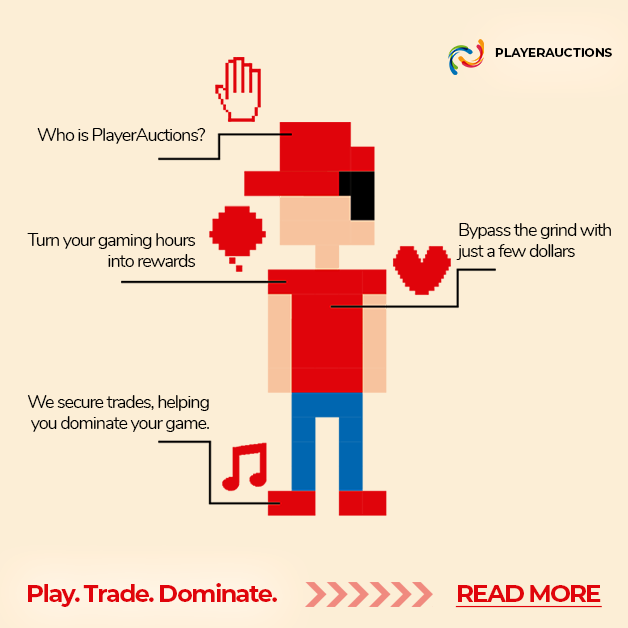
PlayerAuctions uses its PlayerGuardian system as part of its transaction process and provides features that include on-site messaging, customer support, and dispute assistance where applicable.
Those systems can help structure a transaction, but buyers and sellers still need to do their part.
Buyers should read listings carefully, understand what they're purchasing, and follow the relevant marketplace procedures. Sellers should describe their products accurately and provide clear information about what is being offered.
The smoother a transaction is, the more likely it is that both sides understood the same thing from the beginning.
Five Things to Check Before Choosing a Listing
You don't need to overthink every purchase, but a quick check can save you from avoidable confusion.
-
Compare similar listings
Don't automatically choose the first result you see.
Looking at a few comparable listings can give you a better sense of what is available and what details vary between sellers.
-
Check what is actually included
For accounts, that could mean characters, progression, cosmetics, rank, region, or platform.
For currency and items, it may involve quantity, delivery requirements, or other game-specific details.
The important thing is knowing exactly what you're comparing.
-
Understand the delivery process
Different games can require different methods of delivering digital goods or services.
Make sure you understand what the seller expects from you and what the delivery process involves before moving forward.
-
Ask questions when something is unclear
A vague assumption can create more problems than a quick question.
If a listing leaves out a detail that matters to you, clarify it before completing the purchase.
-
Use the marketplace's intended process
When a platform provides specific systems for communication and transactions, following those procedures helps keep the transaction organized and ensures you're using the process designed for that marketplace.
Selling Gaming Goods and Services
Player-to-player marketplaces aren't only useful for buyers.
Depending on the game and marketplace rules, experienced players may also be able to sell eligible digital goods or offer services to other gamers.
That could involve virtual currency, in-game items, accounts, coaching, or other available services.
The best listings usually aren't the ones filled with the biggest promises. They're the ones that make it easy for a buyer to understand what they're getting.
A strong seller should focus on three things:
Be specific
Describe the product or service clearly.
If you're selling an account, include the details that would matter to someone comparing it with other listings. If you're offering a service, explain what the buyer can reasonably expect.
Be accurate
Don't make promises the listing can't support.
Clear and accurate information is better for everyone involved and can help prevent misunderstandings.
Be responsive
Buyers may have questions, particularly when a listing involves a detailed account, a rare item, or a game-specific delivery process.
Clear communication makes a transaction easier to understand from both sides.
Is PlayerAuctions the Right Option for You?
That depends on what you're looking for and how you prefer to play.
Some gamers prefer to keep all purchases within a game's official ecosystem. Others may be interested in comparing player-to-player listings for particular accounts, items, currency, or services.
There isn't one approach that works for everyone.
If you're considering a player-to-player marketplace, the sensible approach is straightforward: understand the listing, know what the transaction involves, communicate clearly when necessary, and check the rules that apply to the game.
PlayerAuctions offers a marketplace where gamers can browse different listings and connect with other players. The range of available options can be useful for players looking for something specific—but the right choice will always depend on the individual listing and what you want from your gaming experience.
Final Thoughts
There's no single “right” way to enjoy a game.
For one player, the best part is spending months building a character from nothing. For another, it's collecting rare cosmetics, competing at a higher level, or finding a particular item that fits their goals.
If you decide to use a player-to-player marketplace, take a few minutes to look past the headline and price. Check the details, understand the process, and make sure the listing actually fits what you're looking for.
That simple bit of research can make a big difference.
To explore the marketplace and learn more about PlayerAuctions' available systems and policies, visit PlayerAuctions.

Jim's passion for Apple products ignited in 2007 when Steve Jobs introduced the first iPhone. This was a canon event in his life. Noticing a lack of iPad-focused content that is easy to understand even for “tech-noob”, he decided to create Tabletmonkeys in 2011.
Jim continues to share his expertise and passion for tablets, helping his audience as much as he can with his motto “One Swipe at a Time!”