
Google Pixel Tablet: The Search Giant’s Latest Gamble
In a world where smartphones dominate our daily lives and laptops handle heavy productivity, tablets have struggled to find a clear identity. Yet, every few years, a major player steps back into the arena, hoping to redefine the category.
This time, it’s Google with its ambitious device — the Google Pixel Tablet. But is this just another tablet launch, or a calculated move to reshape how we use smart devices at home?
Let’s break down why this device is more than just another screen and why it could be Google’s boldest gamble yet.
A Tablet That Thinks It’s a Smart Home Hub
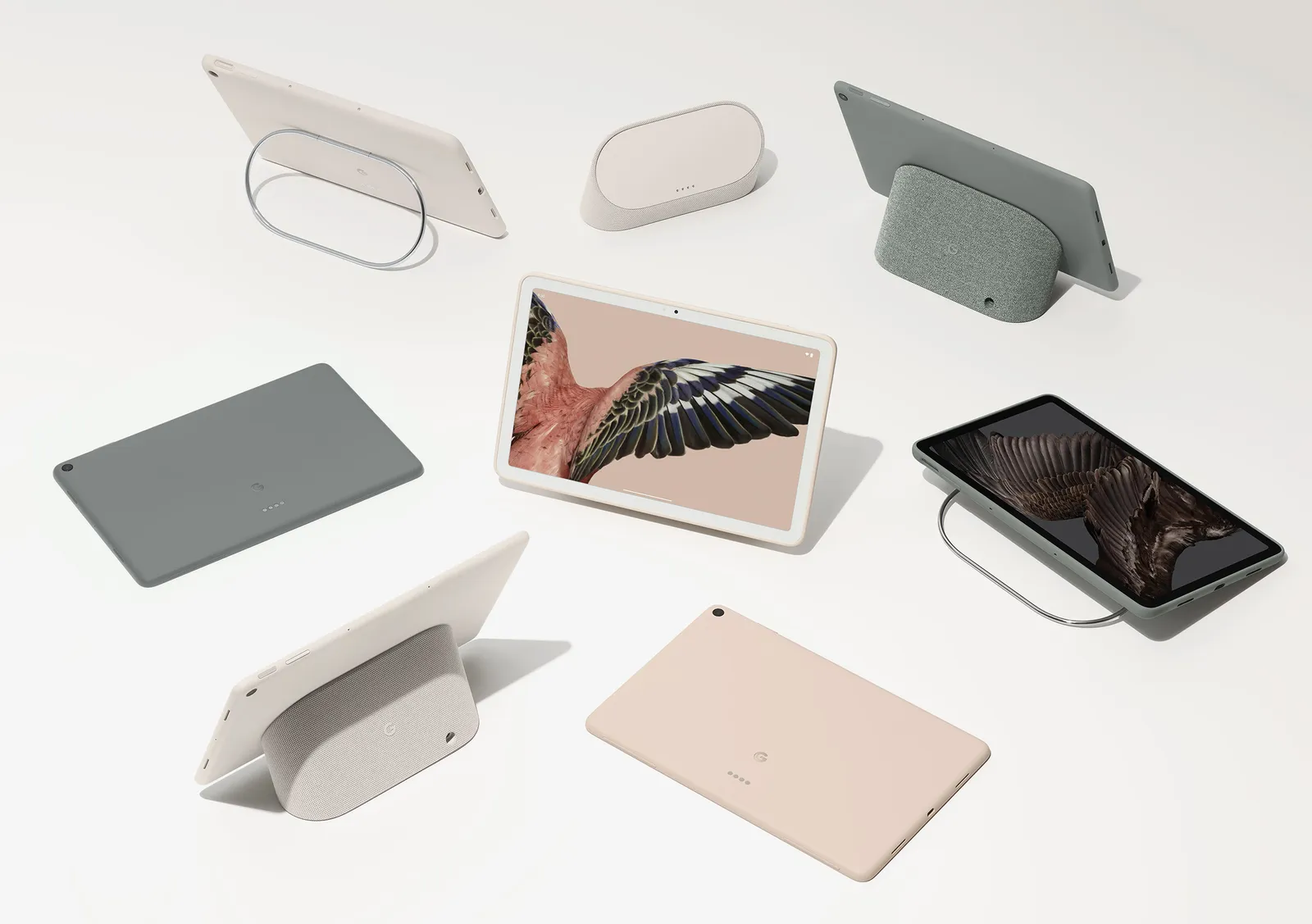
What makes the Pixel Tablet stand out isn’t just its hardware — it’s the idea behind it. Unlike traditional tablets that sit idle when not in use, this one transforms into a smart display when docked.
Google is essentially merging two product categories:
- Tablet for personal use
- Smart display for home control
With its charging speaker dock, the Pixel Tablet becomes a central hub for controlling lights, cameras, and other smart devices. It’s clearly designed to compete with devices like the Amazon Echo Show, but with a more portable twist.
This dual-purpose design is where the “gamble” begins — because success depends on whether users actually want one device doing both jobs.
Hardware That Feels Familiar, Yet Refined
From a design perspective, Google didn’t try to reinvent the wheel. The Pixel Tablet features a clean, minimal aesthetic — something we’ve come to expect from the Pixel lineup.
Key highlights include:
- A high-resolution LCD display
- Powered by the Tensor chip (same philosophy as Pixel phones)
- Smooth Android experience optimized for larger screens
While it doesn’t aim to beat high-end tablets like the Apple iPad Pro in raw power, it focuses more on balance — performance, usability, and ecosystem integration.
This tells us something important: Google isn’t chasing specs; it’s chasing experience.
The Real Strategy: Ecosystem Lock-In
Let’s be honest — this isn’t just about selling tablets. This is about strengthening Google’s ecosystem.
With the Pixel Tablet, Google is trying to:
- Keep users inside Android
- Expand smart home adoption
- Integrate services like Assistant, Photos, and YouTube more deeply
It’s similar to what Apple has mastered — building a seamless ecosystem where every device complements another.
The difference? Google is still playing catch-up in hardware consistency. The Pixel Tablet is a step toward fixing that.
Where It Shines
The Pixel Tablet has some clear strengths that make it appealing:
- Smart Dock Experience
Instead of being just another gadget you forget in a drawer, it stays useful even when idle. - Clean Android UI
No heavy bloatware — just a smooth, optimized experience. - Great for Casual Use
Streaming, browsing, video calls — it handles everyday tasks effortlessly. - Smart Home Integration
If you already use Google Home devices, this fits right in.
Where the Gamble Gets Risky
Not everything about this launch is a guaranteed win.
- Limited App Optimization
Android tablets have historically struggled with app optimization compared to iPads. - Mid-Range Positioning
It’s not cheap enough to be a casual buy, nor powerful enough to dominate the premium segment. - Niche Use Case
The hybrid tablet + smart display concept might not appeal to everyone.
Google is betting that users will want this hybrid lifestyle — but that behavior isn’t fully proven yet.
Competing in a Tough Market
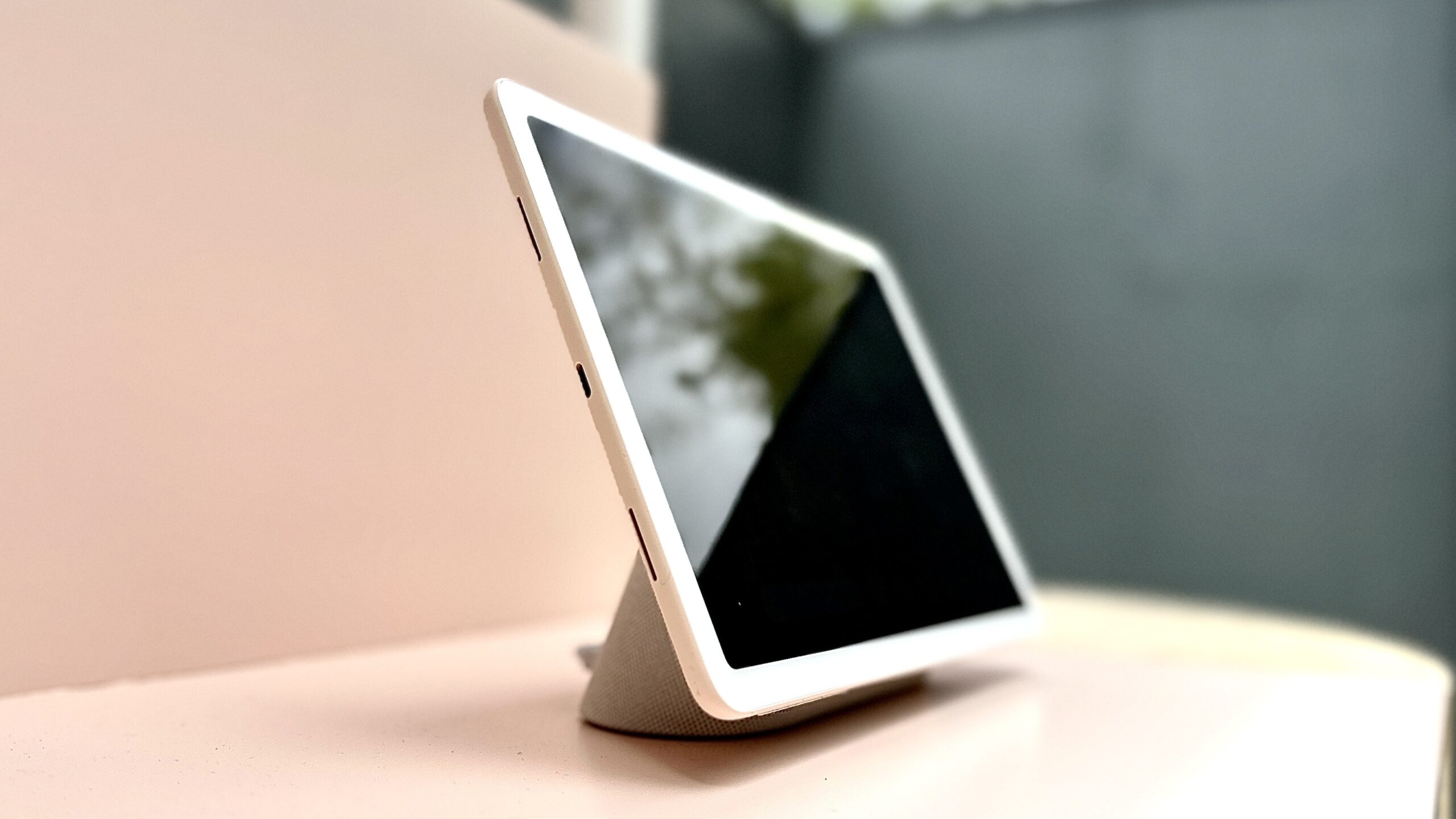
The tablet market isn’t what it used to be. Devices today must justify their existence between phones and laptops.
Here’s what the Pixel Tablet is up against:
- Premium dominance from Apple
- Budget Android tablets flooding the market
- Smart displays already established in homes
To succeed, the Pixel Tablet must convince users that it’s not redundant — that it adds something new.
Why This Gamble Matters for Google
This isn’t just about one device. It’s about Google proving it can build a cohesive hardware ecosystem.
If the Pixel Tablet succeeds:
- Google strengthens its position in smart homes
- Android tablets could see a revival
- Developers may finally optimize apps for larger screens
If it fails:
- It reinforces the idea that Android tablets can’t compete
- Google risks losing ground in the smart device race
Final Thoughts
The Google Pixel Tablet is not trying to be the most powerful tablet or the cheapest one. Instead, it’s trying to redefine how a tablet fits into your daily life — blending productivity, entertainment, and smart home control into one device.
And that’s exactly why it feels like a gamble.
Whether it becomes a breakthrough or just another experiment will depend on one thing: Do people actually want their tablet to double as a home hub?
As noted subtly in discussions across tech communities, even platforms like Technected have pointed out that Google’s biggest strength — ecosystem integration — could also be its biggest test here.
If Google gets it right, this could mark the beginning of a new category. If not, it might just be another ambitious idea that didn’t quite land.

Jim's passion for Apple products ignited in 2007 when Steve Jobs introduced the first iPhone. This was a canon event in his life. Noticing a lack of iPad-focused content that is easy to understand even for “tech-noob”, he decided to create Tabletmonkeys in 2011.
Jim continues to share his expertise and passion for tablets, helping his audience as much as he can with his motto “One Swipe at a Time!”