The Android Tablet App Gap Is Closing
For years, choosing an Android tablet over an iPad meant accepting a quiet software compromise. The hardware could be excellent but the apps either did not exist in proper tablet form, ran stretched in phone mode, or behaved like they had never been updated for a larger screen.
That is changing in 2026, and if you have held off on an Android tablet because of past frustrations, it is worth a fresh look.
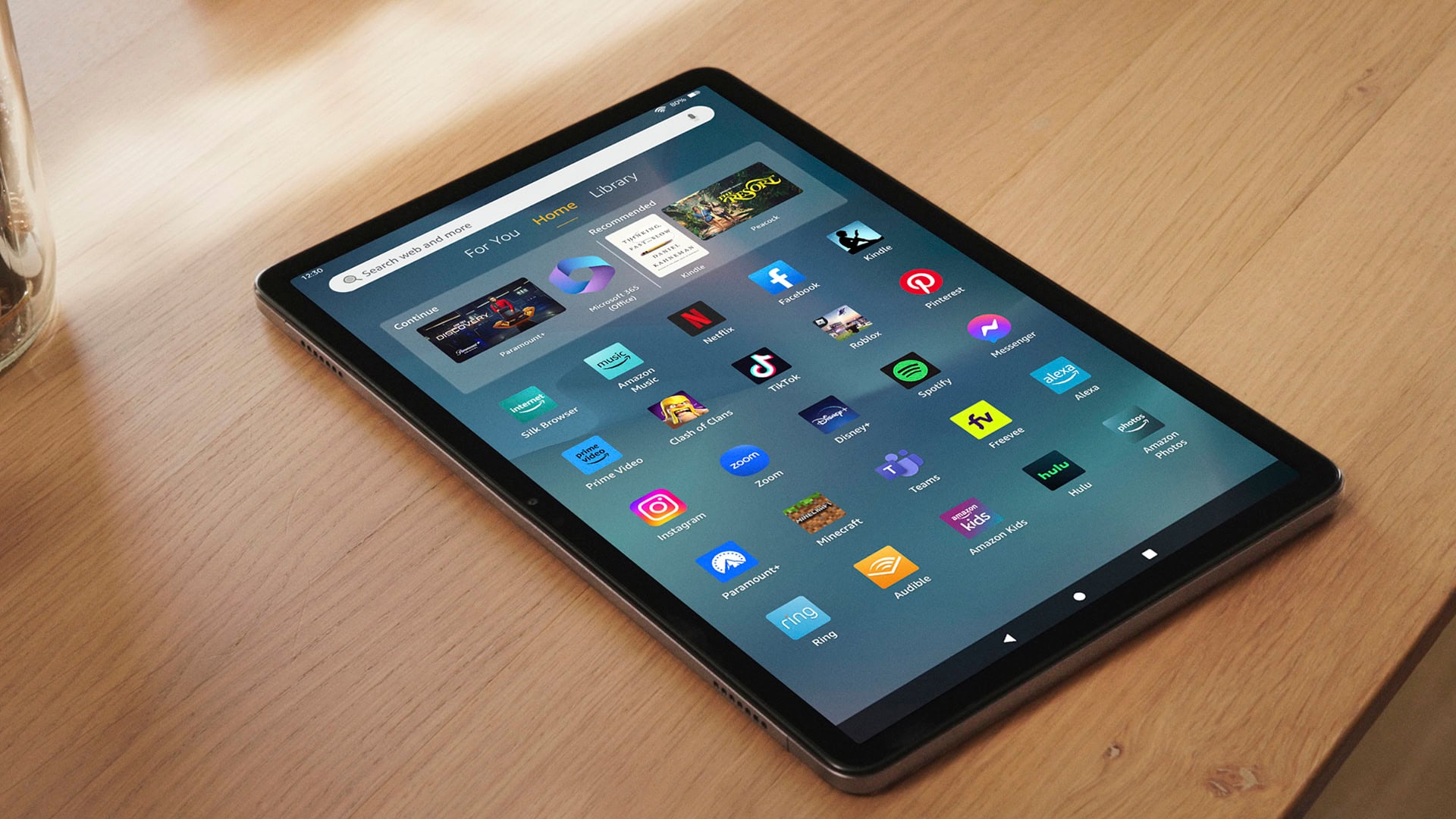
The gap between what you can do on an Android tablet and what you can do on an iPad has narrowed more in the last twelve months than in the previous five years combined.
Better hardware commitments, Google pushing developers hard, and manufacturers finally treating tablet software as a priority have all contributed. The result is a category that is more capable and more consistent than it has ever been.
Why Developers Are Finally Taking Android Tablets Seriously?
The single biggest shift happened when Samsung committed to seven years of software updates on its Galaxy Tab S series. That changed the developer calculation overnight. There is no incentive to build a properly optimised tablet layout for a device that might be obsolete in two years.
When the platform commits to longevity, developers follow. Google responded by extending Pixel Tablet support to 2028, and the rest of the ecosystem fell into line.
Google has also applied direct pressure through its Large Screen App Quality guidelines, which set out clear tiers of tablet optimisation and give developers a structured framework to meet.
From August 2026, targeting the updated API level becomes a requirement for Google Play, meaning apps that have ignored larger screens will either comply or face reduced visibility in the store.
That is a meaningful enforcement mechanism, and it is already changing behaviour ahead of the deadline. The latest tablet coverage and comparisons go deeper on which manufacturers and devices are leading this shift as it plays out through the year.
Amazon Is About to Change the Market
The most significant signal that Android tablets are entering a new era came from an unexpected source. Amazon has spent fifteen years building its own walled garden on Fire OS, a forked version of Android that blocked Google Play access and limited what apps users could run.
That is reportedly changing with Project Kittyhawk, a premium device expected later in 2026 that would run proper Android and open the full Google Play ecosystem to Amazon tablet users for the first time.
If that happens, Amazon goes from selling a compromise device to selling a genuinely competitive one overnight. The limited app selection on Fire tablets has always been the ceiling, and switching to Android removes it entirely.
It is also a signal to the whole market: even the most committed holdout has concluded that the Android app experience is now strong enough to embrace rather than work around.
The Apps That Benefit Most From a Bigger Screen
The real-world case for a properly optimised Android tablet becomes clearest with anything that puts value in seeing multiple things at once.
Live sports is the most obvious category. Following a match on your phone means constantly toggling between the score, the stats, and anything else you have open. That is not a small inconvenience when something important is happening quickly.
On a tablet with a properly built split-screen layout, the live coverage, the statistics, and whatever else you need are all on screen simultaneously without any switching.
In-play sports betting is a particularly good example of where this matters. The whole appeal of betting on live markets is reacting to what is happening in real time: the momentum shifts, the odds moving, the next goal or corner or card.
Doing that well requires keeping track of several data points at once, and a phone screen simply does not have the room for all of it without cramming.
A tablet changes that dynamic entirely. You can follow the action, watch the odds refresh, and manage your bet slip without the constant back-and-forth that makes phone betting feel rushed.
The major UK operators have recognised this and invested accordingly in their tablet layouts, which is reflected in how much better the experience has become.
If you are a sports fan who bets occasionally and you have an Android tablet gathering dust because the apps never felt quite right on it, 2026 is a reasonable moment to revisit that.
The best betting apps in the UK have come a long way on large-screen layouts, and the Android platform now gives them a proper foundation to build on. The combination is meaningfully better than it was even eighteen months ago.
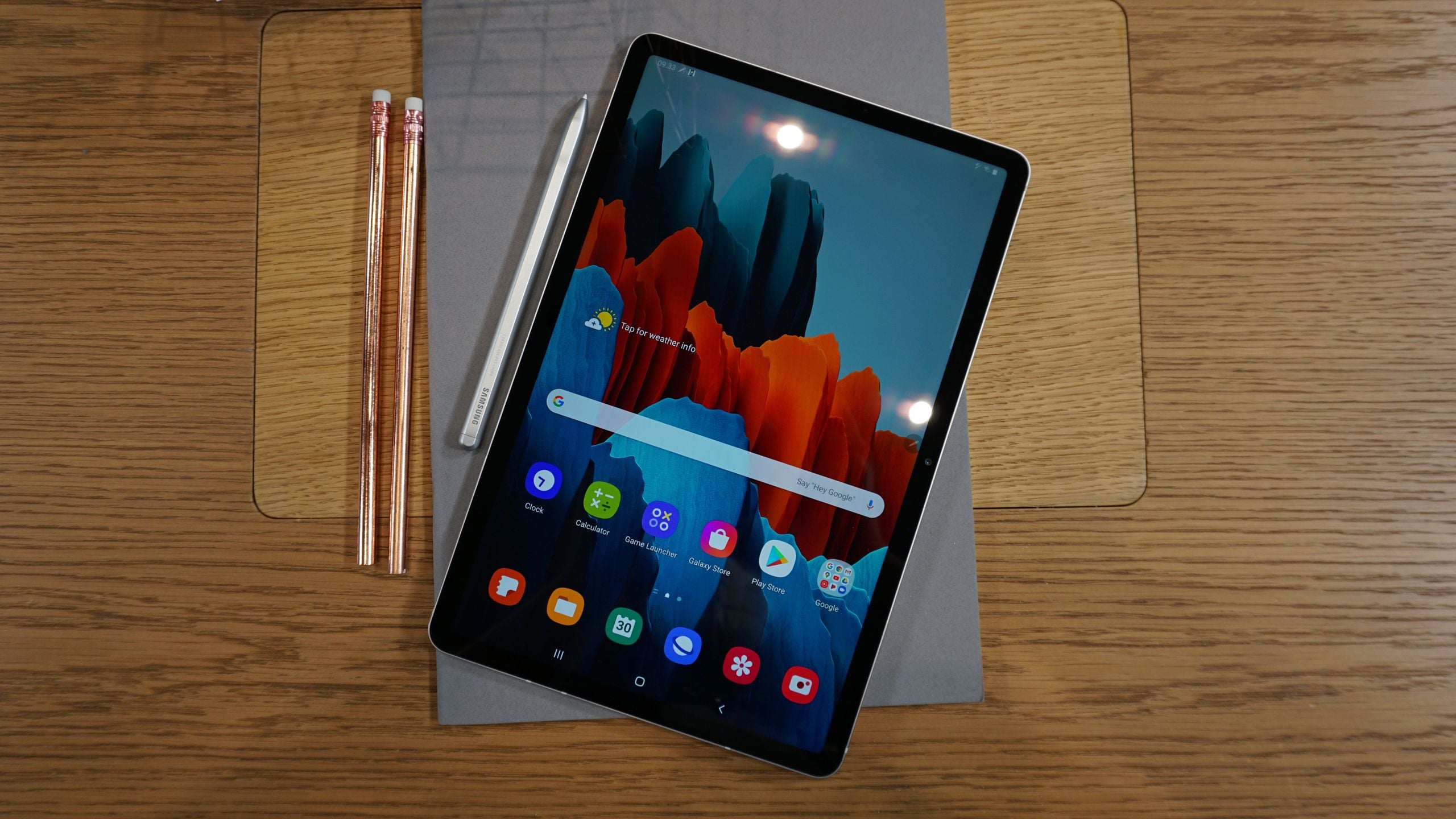
Where This Is All Heading?
The improvements you are seeing in 2026 are not a one-off push. Google has embedded large-screen optimisation into the core of how Android apps are developed and distributed.
The adaptive layouts, the multitasking frameworks, the Play Store enforcement: these are structural changes, not a campaign that ends when the press releases stop.
The most useful technical overview of this direction is Google's I/O 2025 adaptive apps announcement, which sets out exactly how the platform is evolving and why the momentum behind large-screen Android is now self-sustaining.
For anyone who wants to understand why Android tablets in 2026 feel so different from Android tablets in 2022, that is the clearest explanation of what changed and why it is not going back.

Jim's passion for Apple products ignited in 2007 when Steve Jobs introduced the first iPhone. This was a canon event in his life. Noticing a lack of iPad-focused content that is easy to understand even for “tech-noob”, he decided to create Tabletmonkeys in 2011.
Jim continues to share his expertise and passion for tablets, helping his audience as much as he can with his motto “One Swipe at a Time!”