
How Wearable Technology Aids Professional Athlete Preparation
Sport has always been about hard work and talent, but now it's just as much about data. Teams use it to plan athlete workloads, manage their health and make their training more specific.
Wearable technology measures movement and captures heart rate and sleep, giving staff a clearer picture of the athlete. This article focuses on the key measures, how teams leverage the results and what the key limitations are.
Using Data to Manage Training Load
Professional teams use GPS or similar positioning units worn in a small vest between the shoulder blades. These units log distance covered, sprints and accelerations, and top speed. Supporters who study team news closely also track football betting (Turkish: futbol bahis) lines that react to injuries.
Staff use the data to set loads for the next training session. Coaches analyze each player’s loads on a weekly basis relative to that player’s historical baselines.
Data is used to determine how hard a player has run during training and how their effort levels compare to past sessions. Coaches and sports scientists use player data to determine how best to manage player loads. These figures have revolutionized how player loads are managed.
One of the drawbacks, however, is that no load metric has been shown to reliably predict a given injury. Therefore, members of staff use their own human judgment when incorporating the numbers into their load management decisions.
How Wearable Data Affects Players’ Day-to-Day Decisions?
There are chest straps and wrist sensors for heart rate during training, and many teams incorporate morning heart rate variability checks to see where their players are at in terms of recovery. People who follow squad fitness news closely often open a betting APK (Turkish: bahis APK) to check odds before a match.
Betting apps provide side by side markets for quick comparisons. Only the medical and analysis team have access to the detailed data, and they make internal decisions based on that data.
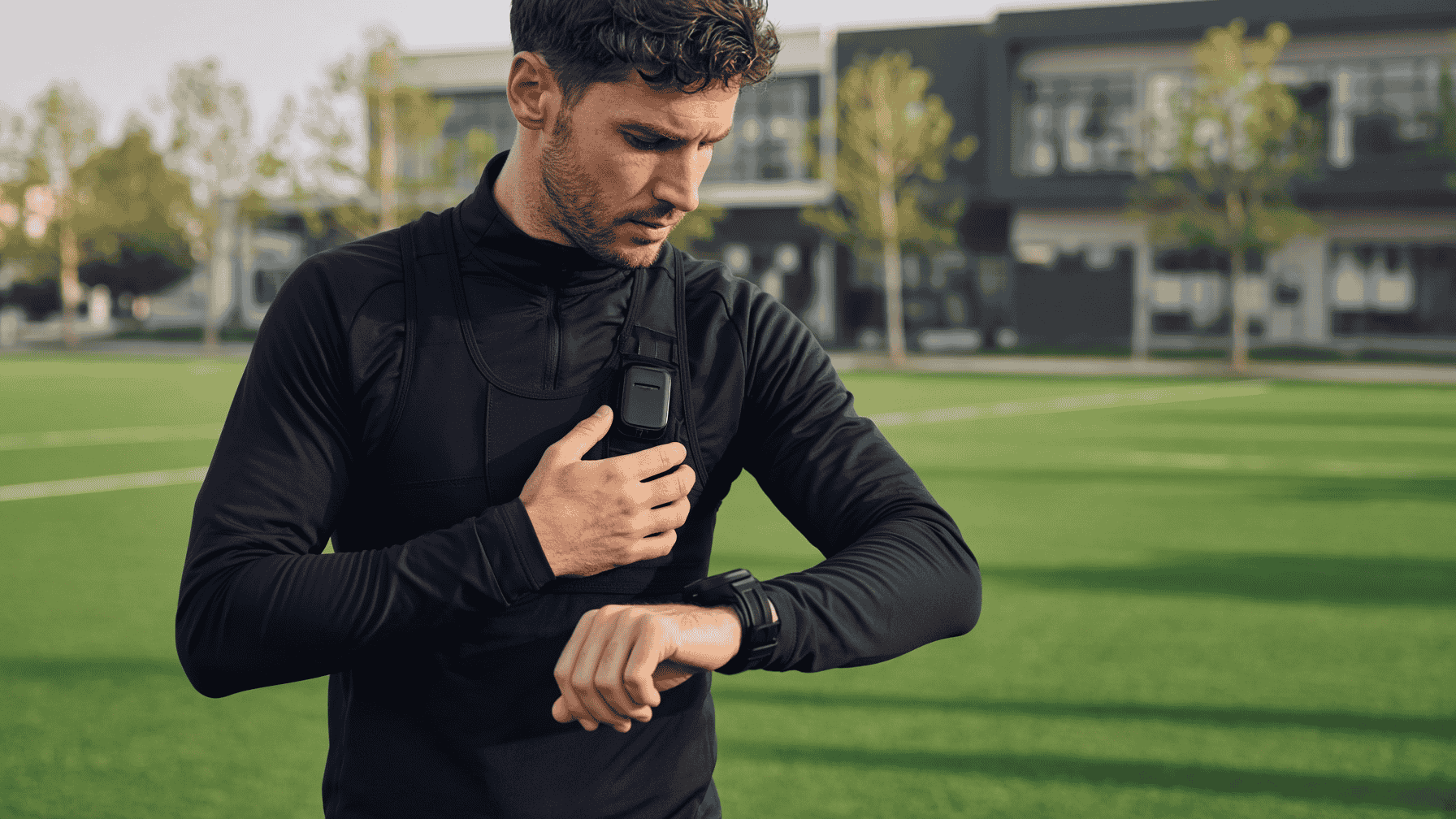
Heart rate variability shows the responsiveness of the nervous system to stress. Lower HRV indicates higher levels of stress. One single reading can vary quite a bit from the next. For a more accurate picture, you’d want to look at a rolling average or the trend over a few days.
For high-intensity, fast-paced sporting events, chest straps can provide a better accurate reading than a wrist sensor. That’s why a lot of teams implement straps for training and a wrist or ring device for recovery. The best choice of device depends on the sport and what is being looked at.
Sleep, Travel, and Recovery Habits
One of the best ways to recover is to sleep. With sleep, wearables can help athletes monitor their rest consistently. There are bands, watches, and rings that can help with sleep. According to studies, they can help monitor the total sleep time.
They are not as reliable in picking the different stages of sleep. Because of this, sports scientists look at sleep duration and consistency instead of looking at the stages.
These are a few recovery signals that are reviewed by performance staff each morning.
- Sleep duration: Compared to the target, how many hours of sleep did the athlete get?
- Resting Heart Rate: A higher HR over a few days indicates the athlete is becoming more fatigued or sick.
- Heart Rate variability: Trends over multiple days indicate to staff how ready the athlete is to take on a hard training session.
- Wellness: Using an individually scoring wellness system to give context to sensor data that may be difficult to quantify.
Staff combine measures from wearables with coach observations, performance tests, and direct conversations with the athlete.
This method reduces the likelihood of staff responding to a device error or a single unusual night. It also keeps the athletes involved which enhances reporting of true feelings. Overall this method gives a complete and fair picture of the athlete.
Wearables also aid time management in travel, changing time zones and adapting to hot, humid conditions. Some staff use skin temperature and HR trends over time to aid the interpretation of how well an athlete is adapting after long trips.
Also, some staff use ingestible core temperature capsules to aid the interpretation of heat acclimatization. This is especially useful in high altitude, heat, and humidity conditions.
From Match Day Feedback to Return-to-Play Plans
Match Day data can provide feedback to help develop Return-to-Play plans and adjust training to account for the rigors of competition.
The feedback from training wearables helped one program adjust training to ensure adequate recovery for players who were on the field the least during matches. Wearable tech aids in the planning of a variety of resources to be prepared for different scenarios in competition.
Data analysts convert raw data from sensors into simple reports, like morning briefings, that coaches can quickly scan before a session. One briefing may include the following for each player: training load, sleep, readiness to train flags, pain reported, and pain level.
Coaches use this data to make appropriate adjustments during a session. This data can also be used to monitor running mechanics and loading for strength and conditioning.
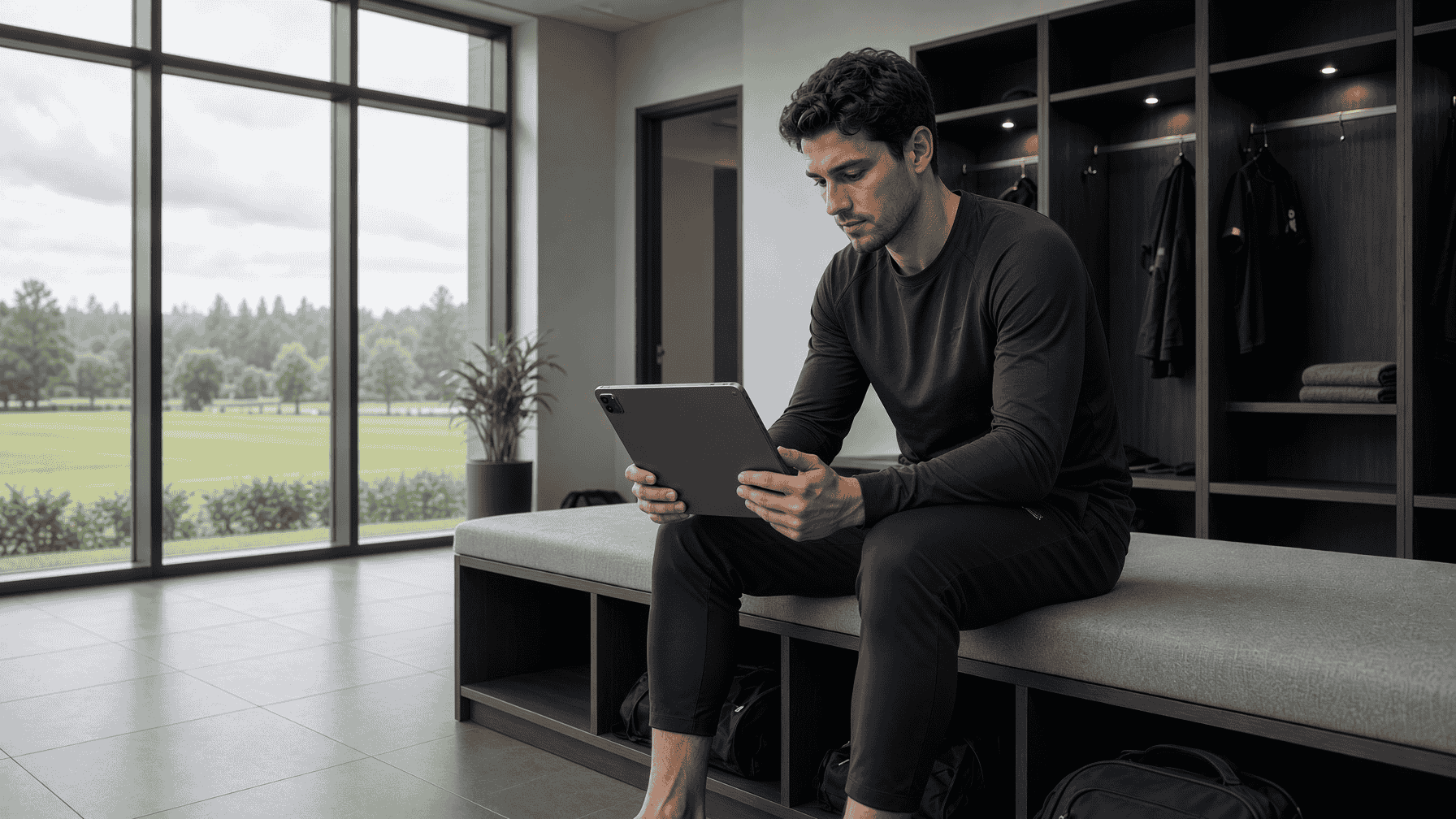
When an athlete suffers an injury, the data helps therapists build up the athlete's workload in a controlled manner. Jump tests or running speeds can be compared to the athletes pre-injury levels. Symmetry in movement and other measures can also be tracked.
This type of data can help give the therapists targets, rather than relying only on the subjective opinions of the athlete. Ultimately, the final say on whether an athlete is ready to return to training falls on the medical staff. This balance helps avoid athletes coming back to training too early or too late.
Accuracy, Privacy and Smart Use of Athlete Data
Wearable data can be useful in training to improve performance. However, the data is only beneficial if the device is accurate, worn in the correct location, and interpreted by trained staff. Many variables with different manufacturers and software versions can affect the accuracy of the data collected.
Because of the numerous variables, clubs stick with one system, and validate it before using it to determine athlete loads. This reduces the chance of different devices and systems giving conflicting data.
Biometric data is private, personal, and athletes should have an understanding of what is collected, and who has access to the data. There is a growing concern with player unions and sports bodies about who owns the data, especially if the data is collected and stored by one entity, and athlete's contracts change.
Consent policies and procedures for data collection should be in place to build and maintain the trust between athletes and the performance staff. This is especially important because if athletes feel they are being monitored unfairly, they are less likely to comply and wear the devices.
Good programs start with a clear question. How do we curb late-season fatigue? How do we manage returning players? Once a question is defined, the right tools and associated metrics need to be selected to answer the question. It is imperative not to get distracted and collect everything.
Processes should be regularly audited to make sure the data and associated metrics drive and influence decisions, rather than just filling dashboards.
Behind Every Sprint Lies a Data-Driven Plan
Wearable technology is advancing rapidly and offers professional athletes the opportunity to monitor and tweak training load, heart rate, sleep, and recovery. Most of the time, these metrics and trends can augment rather than replace the expertise of medical and training staff.
The biggest challenges for staff members will be to decide how and when to incorporate all the data that will be available, and to keep athletes safe by using reliable devices rather than toys.

Jim's passion for Apple products ignited in 2007 when Steve Jobs introduced the first iPhone. This was a canon event in his life. Noticing a lack of iPad-focused content that is easy to understand even for “tech-noob”, he decided to create Tabletmonkeys in 2011.
Jim continues to share his expertise and passion for tablets, helping his audience as much as he can with his motto “One Swipe at a Time!”