
Future of Tablets with AI Integration
Over the past decade, tablets have evolved from simple media consumption devices into powerful productivity tools. Early tablets were primarily used for browsing the internet, watching videos, and reading digital content.
Today, however, advances in mobile processors, machine learning algorithms, and cloud computing are reshaping what tablets can do.
Artificial intelligence (AI) is now becoming a central component of modern mobile devices. Leading technology companies are embedding AI capabilities directly into tablet chipsets and operating systems.
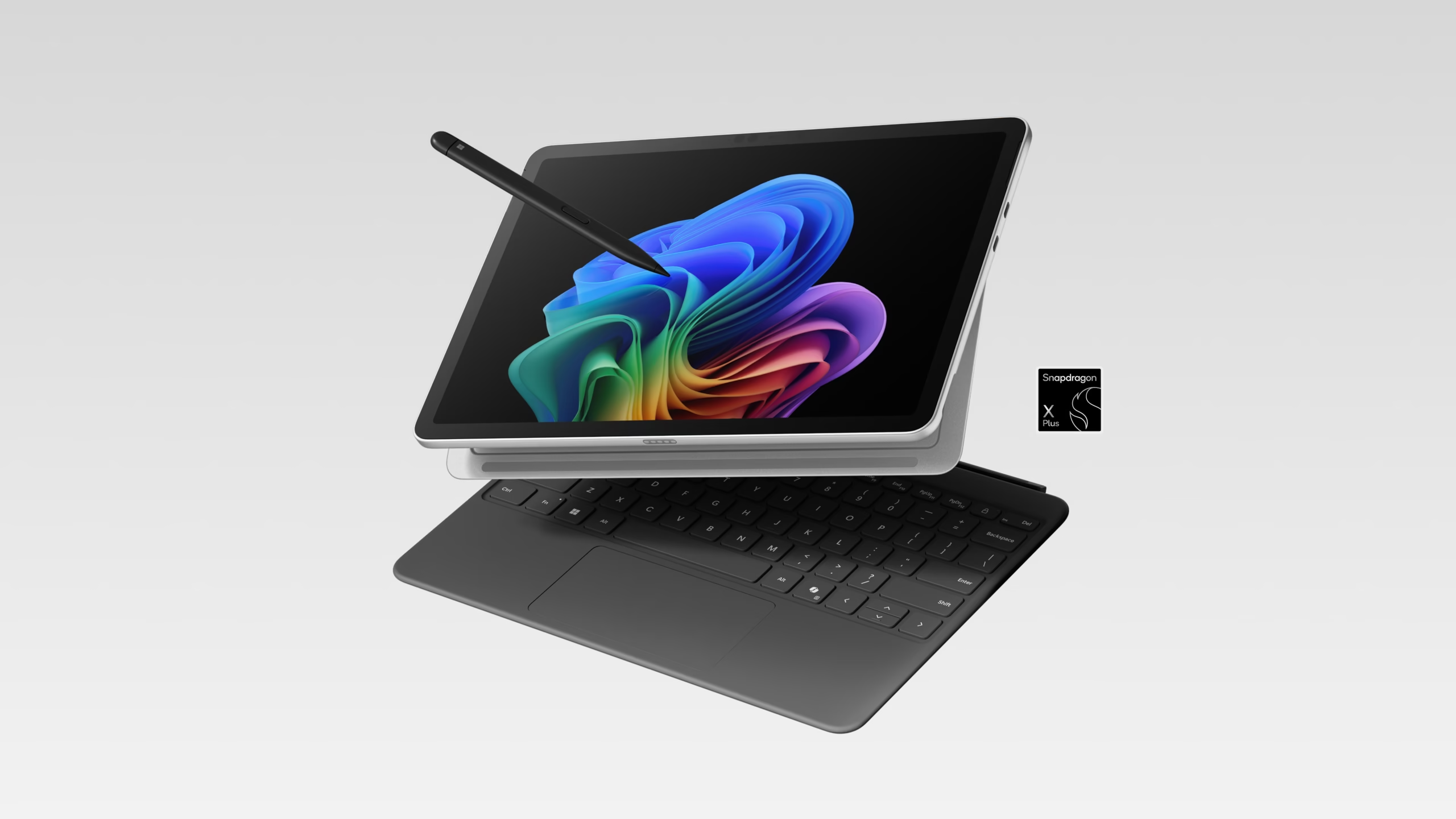
These capabilities allow devices to analyze data locally, understand user behavior, automate tasks, and enhance creative workflows.
The integration of AI into tablets is transforming them into intelligent assistants capable of supporting work, learning, design, and entertainment in ways that were not possible just a few years ago.
Understanding how AI will shape the future of tablets requires examining several technological trends, including on-device machine learning, generative AI applications, improved user interfaces, and adaptive computing.
The Rise of AI-Powered Mobile Hardware
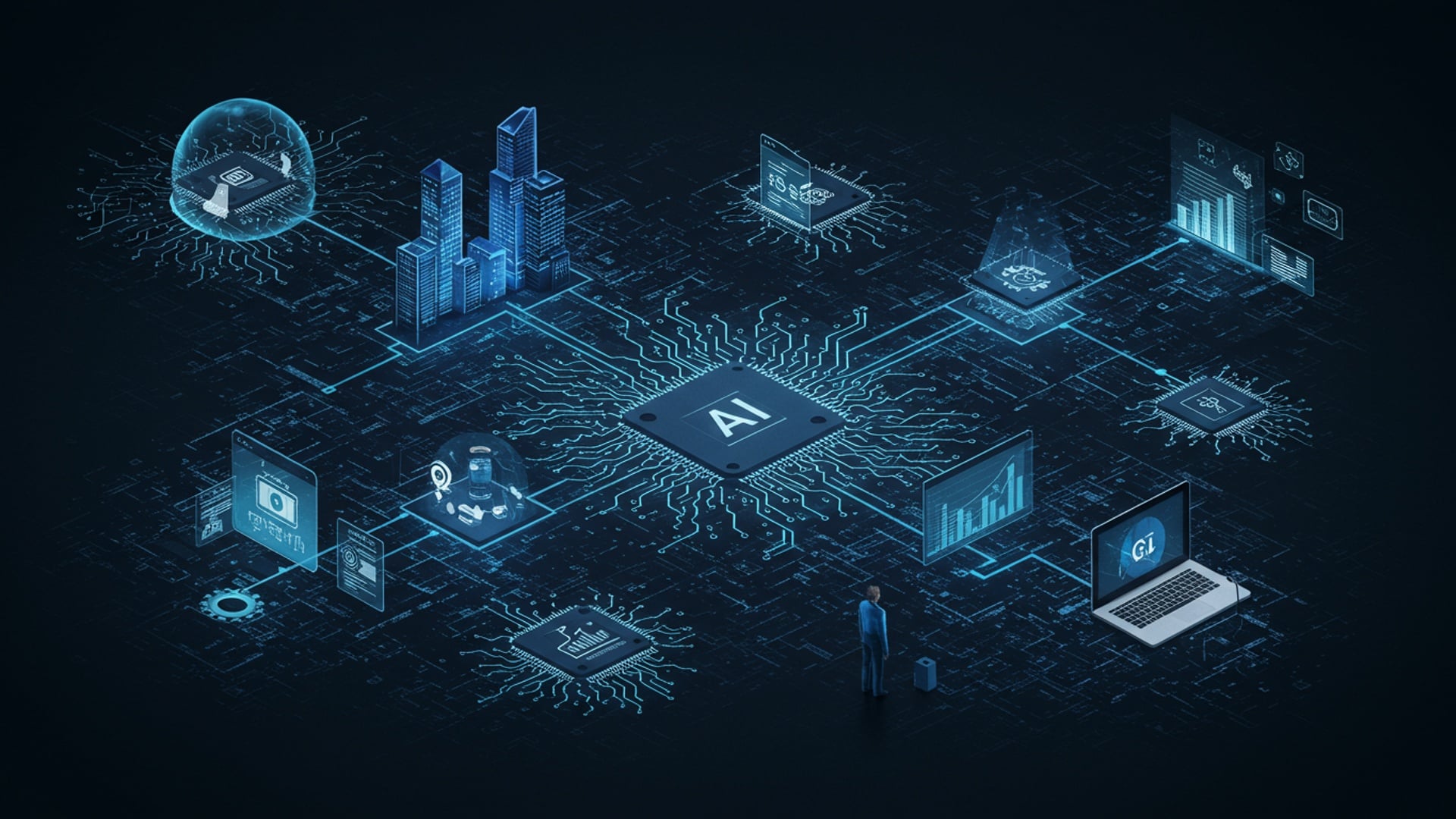
Modern tablets rely on increasingly sophisticated system-on-chip (SoC) architectures. These chips now include specialized AI processing units designed to accelerate machine learning tasks.
Neural processing units (NPUs)
Many mobile processors now incorporate Neural Processing Units (NPUs). These components are optimized for tasks such as image recognition, natural language processing, and predictive modeling.
Unlike traditional CPUs or GPUs, NPUs can process large amounts of AI-related data efficiently while consuming less power.
Major chip manufacturers have heavily invested in this technology. Apple’s Neural Engine, Qualcomm’s AI Engine, and similar architectures from other chipmakers demonstrate how AI acceleration is becoming a standard component of mobile hardware.
On-device AI processing
One of the most significant shifts in mobile computing is the move toward on-device AI processing. Instead of sending data to remote servers for analysis, many AI tasks now run locally on the device.
This approach offers several advantages:
- faster response times
- improved privacy
- reduced reliance on internet connectivity
- lower cloud processing costs
For tablet users, this means features like real-time translation, image processing, and voice recognition can operate instantly without relying entirely on cloud services.
AI and the Transformation of User Interfaces
The way users interact with tablets is also changing due to AI integration.
Voice and conversational interfaces
Voice assistants have existed for years, but recent advances in natural language processing have dramatically improved their capabilities.
Modern AI assistants can understand context, interpret complex commands, and provide more accurate responses. Tablets are particularly well-suited for these interfaces because of their larger screens and portability.
Users can now perform tasks such as:
- scheduling events
- summarizing documents
- controlling smart home devices
- conducting online searches
These interactions increasingly resemble natural conversations rather than simple command-based inputs.
Predictive interfaces
AI also enables predictive interfaces that anticipate user needs.
For example, tablets may suggest apps, documents, or contacts based on time of day, location, or previous behavior patterns.
This predictive functionality reduces friction and allows users to complete tasks more efficiently.
AI-Enhanced Productivity on Tablets
One of the most significant impacts of AI integration will be in productivity workflows.
Intelligent document processing
AI-powered tools can analyze large documents, extract key information, and generate summaries. For professionals and students, this capability dramatically reduces the time required to process complex information.
Machine learning algorithms can also assist with:
- grammar correction
- style improvement
- content summarization
- translation
These tools transform tablets into powerful mobile workstations.
Smart multitasking
AI systems can analyze how users switch between apps and suggest optimized workflows.
For example, when working on a research project, the tablet might automatically open note-taking apps alongside web browsers or document editors.
This type of automation reduces manual setup and improves efficiency.
AI in Creative Applications
Creativity has become one of the most important use cases for tablets, particularly among designers, illustrators, and video creators.
AI is accelerating creative workflows by automating complex editing tasks.
AI-assisted photo editing
AI-powered editing tools can now perform sophisticated adjustments with minimal user input.
Common AI-driven capabilities include:
- automatic background removal
- color correction
- lighting enhancement
- object recognition
For example, modern editing tools can automatically detect unwanted elements in images and remove them seamlessly. Similar capabilities are appearing in many creative workflows where users experiment with automated visual editing features such as AI Object Remover, demonstrating how machine learning simplifies complex image editing tasks.
These technologies reduce the technical barriers that once required advanced software knowledge.
Generative AI for design
Generative AI systems are beginning to assist with visual design and illustration.
Artists can generate concept art, textures, or layout ideas directly on their tablets using AI-driven tools.
This does not replace human creativity but rather expands the range of creative possibilities available to artists.
AI-Powered Learning and Education
Education is another area where AI-enabled tablets are expected to have a major impact.
Personalized learning systems
AI can analyze a student's progress and adapt educational content accordingly.
For example, if a student struggles with a particular concept, the system can provide additional exercises or alternative explanations.
This personalized learning approach improves comprehension and engagement.
Real-time translation and accessibility
AI-powered translation tools are making tablets valuable learning devices for international students.
These systems can translate spoken or written language instantly, allowing students to access educational materials from around the world.
Additionally, AI-driven accessibility features—such as voice transcription, visual recognition, and reading assistance—help make education more inclusive.
Security and Privacy in AI-Enabled Tablets
As AI capabilities expand, security and privacy become increasingly important.
On-device data protection
Because many AI processes occur locally on the device, sensitive data can remain stored on the tablet rather than being transmitted to external servers.
This reduces exposure to data breaches and enhances user privacy.
Biometric authentication
AI also improves biometric security systems.
Modern tablets use AI-powered algorithms to analyze facial recognition data, fingerprint scans, and behavioral patterns.
These systems become more accurate over time as machine learning algorithms refine their models.
Challenges of AI Integration in Tablets
Despite the benefits, integrating AI into tablets presents several challenges.
Energy consumption
AI processing can be computationally intensive. Even with specialized hardware, balancing performance and battery life remains a critical engineering challenge.
Manufacturers must design chips capable of handling complex AI workloads without significantly increasing power consumption.
Ethical concerns
AI technologies raise important ethical questions.
Issues such as algorithmic bias, data privacy, and transparency must be carefully addressed.
Technology companies increasingly face pressure to ensure that AI systems are fair, accountable, and explainable.
Software ecosystem development
For AI-enabled tablets to reach their full potential, developers must create applications that effectively leverage AI capabilities.
This requires new development frameworks and programming tools that allow developers to integrate machine learning features into their apps.
The Role of Cloud AI and Edge Computing
The future of tablet AI will likely involve a hybrid approach combining local processing with cloud-based intelligence.
Edge AI computing
Edge computing allows tablets to process certain tasks locally while sending more complex workloads to cloud servers.
This approach balances performance and efficiency.
Cloud-powered intelligence
Cloud infrastructure enables large-scale AI models that exceed the capabilities of mobile hardware.
Tablets may use cloud AI for tasks such as:
- advanced language models
- large-scale image generation
- complex data analysis
This hybrid model ensures users benefit from both fast local processing and powerful remote computation.
The Next Generation of AI Tablets
Technology companies are already exploring new concepts for AI-powered tablets.
Future devices may include:
- deeper AI integration within operating systems
- improved stylus recognition using machine learning
- advanced generative AI applications
- AI-powered collaboration tools
- adaptive battery optimization
Some analysts predict that tablets will evolve into context-aware devices capable of understanding user intent and adapting interfaces dynamically.
For example, a tablet used for drawing may automatically switch to a creative workspace with relevant tools and settings.
Conclusion
Artificial intelligence is redefining the role of tablets in the modern digital ecosystem. What once served primarily as media consumption devices are now becoming intelligent computing platforms capable of assisting with work, creativity, learning, and communication.
Advances in mobile hardware, machine learning algorithms, and cloud infrastructure are enabling tablets to perform increasingly sophisticated tasks while remaining portable and user-friendly.
As AI technology continues to mature, tablets will likely become even more adaptive, intuitive, and powerful. Rather than simply responding to user commands, future tablets may anticipate needs, automate workflows, and enhance human creativity in unprecedented ways.
The integration of AI into tablets represents not just an incremental improvement in mobile computing but a fundamental transformation in how people interact with digital devices.

Jim's passion for Apple products ignited in 2007 when Steve Jobs introduced the first iPhone. This was a canon event in his life. Noticing a lack of iPad-focused content that is easy to understand even for “tech-noob”, he decided to create Tabletmonkeys in 2011.
Jim continues to share his expertise and passion for tablets, helping his audience as much as he can with his motto “One Swipe at a Time!”