
Why High-End Companion Experiences Are Fueling Las Vegas Luxury Hospitality Growth
Las Vegas luxury hospitality changed dramatically once wealthy travelers stopped treating hotels as places to sleep and started treating them as fully managed lifestyle environments.
Guests paying thousands per night now expect private transportation, last-minute dining access, nightlife coordination, wellness services, discreet staff, and flexible scheduling to work together without delays or awkward logistics.
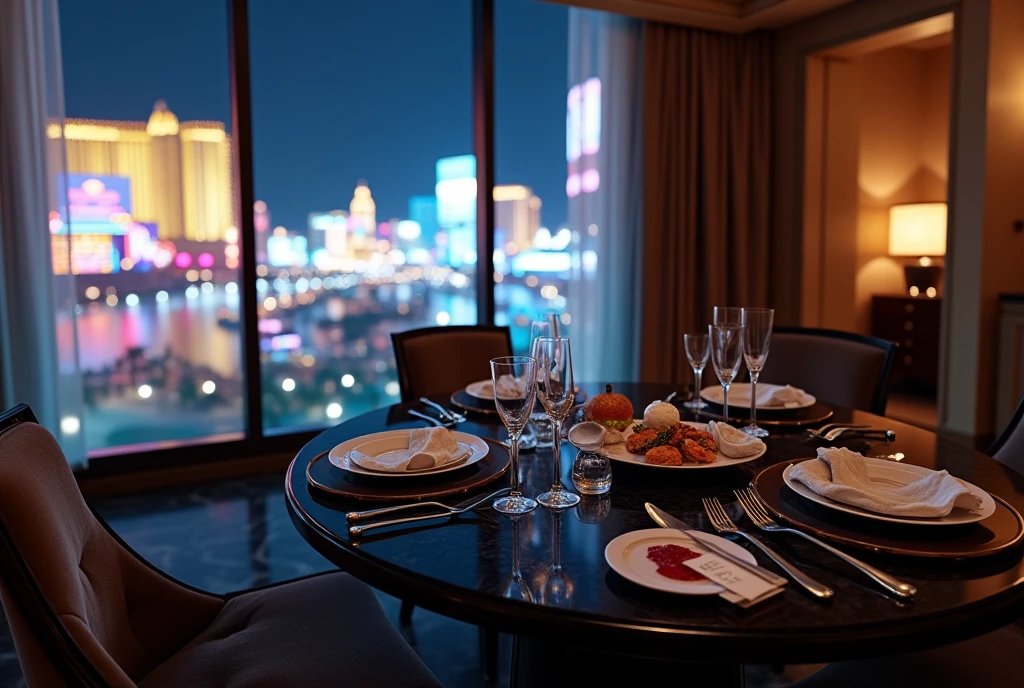
Inside private lounges at Fontainebleau, Wynn, or Crockfords, visitors arriving from cities like Miami, London, or Dubai move through carefully organized evenings handled by concierge teams, drivers, hosts, and assistants who adjust plans constantly throughout the night.
In that environment, https://www.slixa.com/massachusetts/boston/ became naturally tied to the broader luxury hospitality scene because many high-spending guests now view companionship, social atmosphere, and curated nightlife experiences as part of the same premium ecosystem as private suites, exclusive reservations, spa treatments, and VIP entertainment.
Luxury Hotels Are Selling Atmosphere, Not Rooms
At a certain price point, nobody flies to Las Vegas because a hotel has marble sinks or expensive sheets. Every serious luxury property already offers that.
The difference starts showing up somewhere else. One place feels smooth the entire weekend, another somehow feels tiring after six hours.
Wealthy guests notice tiny things fast. How long do they wait downstairs for a car? Whether somebody handles a reservation problem quietly or turns it into a conversation. Whether staff remember preferences without repeating questions ten times.
That is why luxury hotels on the Strip started investing less into obvious flash and more into invisible coordination. Concierge teams became larger.
Transportation got tighter. Restaurants, nightlife venues, spa departments, and hotel staff now work almost like one connected system during busy weekends.
Guests paying thousands per night expect movement without interruption. They do not want to stop the energy of the evening every hour to solve logistics.
Several categories exploded alongside that shift:
- Private suite reservations
- Chauffeur and luxury SUV services
- Last-minute dining access
- Recovery-focused spa programs
- Nightlife coordination through concierge teams
- Personalized evening planning
A lot of high-end visitors are not even staying in the room for most of the trip. The room became part of the atmosphere instead of the center of it.
Discretion Became Part of the Product
The public version of Las Vegas is loud. The expensive version usually is not. Most wealthy visitors are trying to avoid crowds, random attention, drunk tourists filming everything, and long visible check-in lines.
Privacy became one of the most valuable things luxury hospitality can offer because public exposure kills comfort fast, especially for people arriving on business, celebrity-heavy weekends, or short personal trips.
Hotels adapted around that reality. Separate entrances, hidden elevators, private villa corridors, invitation-only lounges, direct-to-suite check-ins, and secured pickup zones became normal across premium properties.
Good hospitality staff know how to stay present without making guests feel watched. The entire experience works better when nothing feels dramatic or forced.
Several details quietly became non-negotiable for premium travelers:
- Private arrivals without lobby crowds
- Flexible reservations late into the night
- Drivers available within minutes
- Quiet access points into venues
- Fast schedule adjustments
- Staff who understand confidentiality automatically
A lot of visitors stay only forty-eight hours and spend the entire time aggressively. Once momentum disappears, the trip starts feeling smaller immediately.
The City Profits From Curated Social Experiences
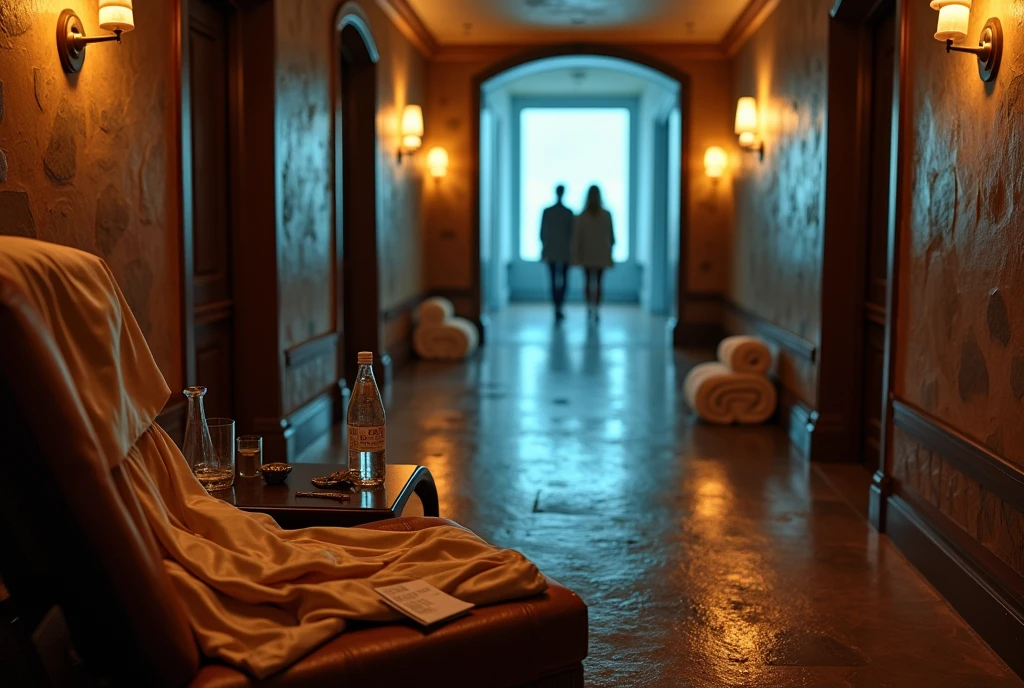
Las Vegas makes enormous money from environments that feel socially charged in a very controlled way. Rooftop lounges, hidden cocktail bars, private spas, penthouse dinners, pool clubs, and invitation-only afterparties all operate on the same principle: people are paying for atmosphere, access, and the feeling that the night is moving correctly.
The city changes completely during major weekends. Formula 1, music festivals, private corporate events, fashion gatherings, championship fights, and celebrity parties create massive pressure on luxury hospitality systems. Suites disappear first.
Restaurant managers hold tables for select clients while everyone else waits outside, hoping for cancellations. Chauffeur companies stay booked deep into the morning. Concierge phones barely stop ringing.
What wealthy visitors spend money on has also changed. Status is no longer only tied to visible purchases. People remember the experience itself more than the objects attached to it.
A smooth dinner turning into a perfectly timed rooftop afterparty with the right atmosphere often leaves a stronger impression than buying another watch or designer bag.
Las Vegas Turned Coordination Into Luxury
Modern luxury hospitality in Las Vegas runs almost entirely on timing and control. Guests are paying to remove interruptions from the experience.
Nobody wants transportation problems at midnight, awkward waiting at entrances, schedule confusion, or staff struggling to adjust plans while the night is already moving.
That is partly why high-end companion experiences became connected so closely to luxury hospitality growth across the city.
They fit naturally into the broader demand for private access, social fluidity, curated nightlife, and evenings that feel effortless from beginning to end.
Behind every smooth weekend sits a huge coordination network involving drivers, reservation teams, hosts, security staff, assistants, concierge departments, and hospitality workers, all managing pressure quietly in real time. Las Vegas figured out how to turn that invisible organization into one of the most profitable parts of its luxury economy.
Jim's passion for Apple products ignited in 2007 when Steve Jobs introduced the first iPhone. This was a canon event in his life. Noticing a lack of iPad-focused content that is easy to understand even for “tech-noob”, he decided to create Tabletmonkeys in 2011.
Jim continues to share his expertise and passion for tablets, helping his audience as much as he can with his motto “One Swipe at a Time!”