
The Role of Mobile Payments in Denmark’s Payment System Evolution
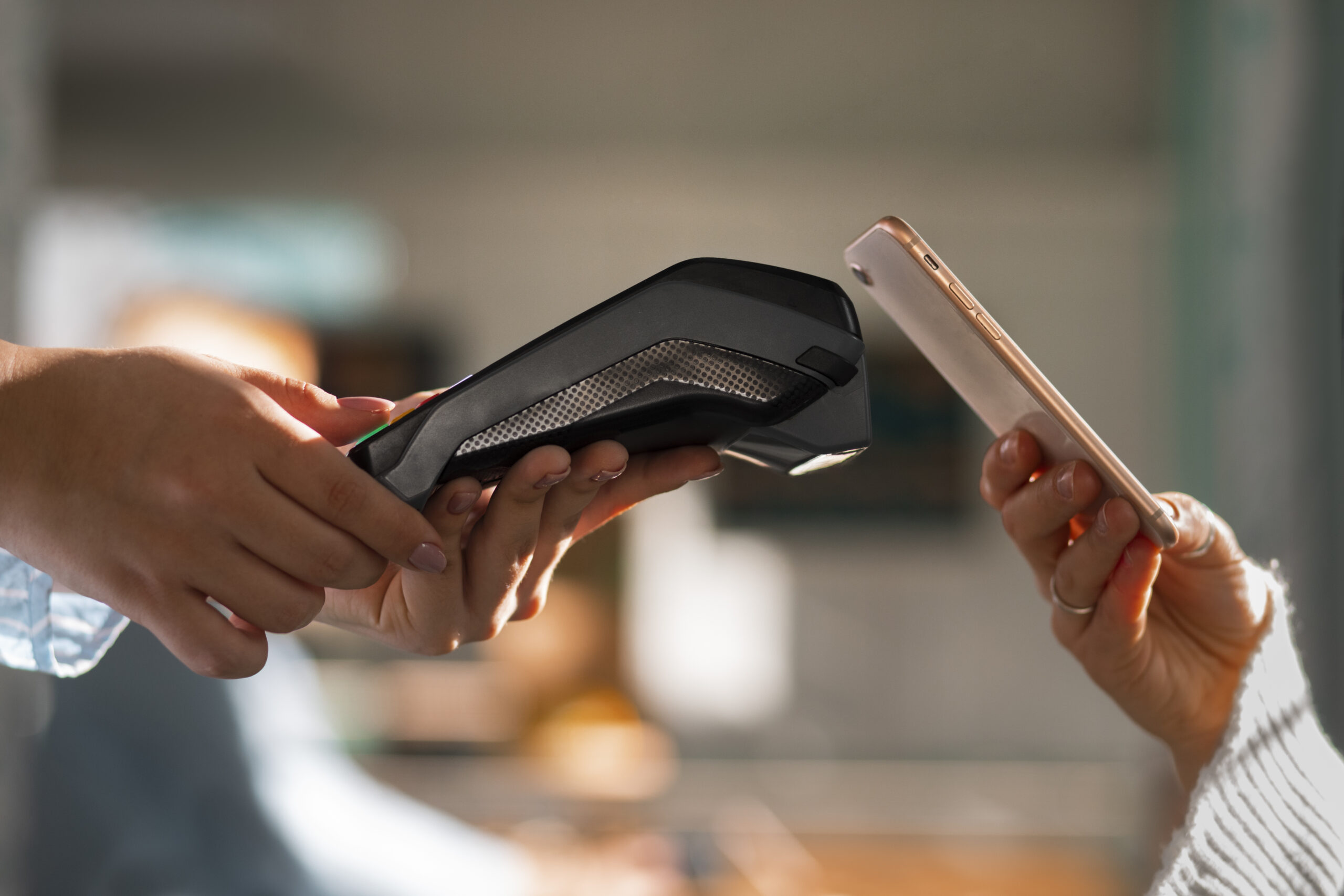
Mobile payments did not appear as a single reform in Denmark. They grew through habits that felt practical and simple. MobilePay played a central role by making instant transfers normal and widely accepted, first between friends and later in shops and online.
Support from banks, instant clearing, and near-universal phone use helped turn it into a shared payment system in Denmark across the country.
The Role of Mobile Payments in Evolution
Mobile payment systems in Denmark did not arrive as a finished system. They developed through several steps that changed how people handled money, first between friends and later in wider trade.
How MobilePay Slipped Into Daily Life?
When MobilePay appeared in 2013, it was not framed as a major shift in banking. It was introduced as a simple way to send money using a phone number.
That small detail mattered more than it seemed. People no longer needed account numbers or long forms. They sent money while still standing in the same room.
The early growth was quick. Around 300,000 people downloaded the app in the first ten weeks. That kind of response usually happens when a tool solves an everyday problem.
Paying friends back had always felt awkward. Cash was not always available, and bank transfers felt slow and formal. MobilePay removed most of that effort.
By 2022, more than 4.4 million people were using this Denmark payment method in a country of about 5.8 million. It became normal to see phone numbers written on jars at school events or on small handwritten signs at flea markets. People did not ask whether MobilePay was accepted. They assumed it was.
Why Person-to-Person Payments Took Off?
The strongest early use was simple transfers between people. Rent shares, shared meals, small favors, and casual sales all moved onto phones. Speed mattered, but so did the sense that the payment was finished. Nobody had to follow up later.
By 2021, mobile payments made up a large share of physical trade among younger adults. About 37 percent of payments by people under 40 in shops used mobile payment methods in Denmark. Cards were still common, but phones replaced cash in many situations where cards felt unnecessary. This shift also changed behavior. People were more willing to settle small amounts right away instead of keeping track of debts. That reduced awkward reminders and made small exchanges easier to manage.
The Quiet Role of Instant Clearing
A key step came in 2014 when MobilePay connected to Denmark’s instant clearing system, Straksclearing. From that point, money moved in seconds, at any hour of the day.
Most users never think about clearing systems, but this change shaped how the service was trusted. Sellers could see that the money arrived right away. Buyers knew the transfer was complete. That reliability made the app usable in everyday trade, not only for friendly exchanges. Without instant clearing, mobile payments would have felt like promises for later. With it, they felt final.
Moving Beyond Denmark
In 2022, MobilePay merged with Vipps from Norway. The new service, Vipps MobilePay, reached more than 12 million users across Denmark, Norway, and Finland. For many people, this mattered when sending money to family members, students studying abroad, or small sellers across borders.
Small cross-border transfers are often slow and expensive when handled by banks. Mobile payments reduced that gap, at least within the Nordic region. It did not replace banks for large sums, but it made everyday transfers easier.
This step also showed that mobile payment systems could grow without forcing people to change how they already pay at home.
Impact on the Payment Landscape
As mobile payment systems in Denmark became normal, they started to change which methods people reached for first. This affected both personal habits and how businesses handled payments.
Cash Slowly Lost Its Place
Cash did not disappear, but it stopped being part of daily routines. People did not plan to stop using it. They just stopped needing it. Phones were always with them, and payments were quick.
Across Nordic countries, cash moved to third place behind cards and mobile. Denmark followed the same pattern. Shops reduced cash handling, and many small sellers stopped preparing change because customers rarely asked for it.
Phones Replaced Cards More Often
At the same time, other mobile services entered the market. Apple Pay arrived in 2017 and Google Pay in 2018. These services stored cards digitally and allowed contactless payments by phone or watch.
For many shoppers, the phone became the first choice even when cards were still accepted. Taking out a phone felt easier than opening a wallet, especially for short purchases.
This did not change the payment system in Denmark behind the scenes, but it changed how people experienced paying. Physical cards became less visible in daily use.
From Private Use to Business Use
MobilePay did not stay limited to personal transfers. Over time, it expanded into shops and online stores. Today, more than 200,000 Danish merchants accept it.
For small businesses, the app offered a simple way to accept digital payments without complex equipment. For online shops, it became a familiar option at checkout, especially for customers who preferred not to enter card details.
This wider acceptance helped the service remain part of daily spending, not only social exchanges.
Key Drivers in the Evolution
Several conditions made this shift easier in Denmark than in many other countries. These were not single causes, but a mix of technology, behavior, and cooperation.
Phones Were Already Everywhere
Denmark had high smartphone use before mobile payments became common. In cities, penetration is above 98 percent. Even outside cities, most adults own smartphones.
This meant that Denmark payment methods did not need to wait for new devices to spread. The tools were already in people’s hands. That allowed fast growth without major training or promotion. It also helped older users adapt more easily, since smartphones were already part of daily communication.
One Shared National System
Another strong factor was cooperation among banks. By 2017, all major Danish banks supported MobilePay. This avoided a split market where different apps competed and limited who could pay whom.
For users, this meant almost everyone could send money to almost anyone else. That wide reach is important for payment tools. If only part of the population can use a service, it stays limited.
For businesses, it also simplified adoption. They could rely on one widely accepted payment method in Denmark instead of choosing between several.
Looking Forward
Denmark is already close to operating without cash in most daily settings, but mobile payments will likely keep changing. New uses, wider cross-border links, and deeper integration with online payment methods in Denmark are likely to grow over time.
Security will remain a central concern. As phones handle more payments, people expect strong protection without making transactions difficult. Trust will shape how far users are willing to go with mobile tools.
There is also discussion about linking payments with digital identity and public services. This could reduce effort in many areas, but it also raises questions about privacy and how much control should sit in one place.

Jim's passion for Apple products ignited in 2007 when Steve Jobs introduced the first iPhone. This was a canon event in his life. Noticing a lack of iPad-focused content that is easy to understand even for “tech-noob”, he decided to create Tabletmonkeys in 2011.
Jim continues to share his expertise and passion for tablets, helping his audience as much as he can with his motto “One Swipe at a Time!”