CS2 Case Battle Platforms: Top 5 Sites For Opening Cases In February 2026
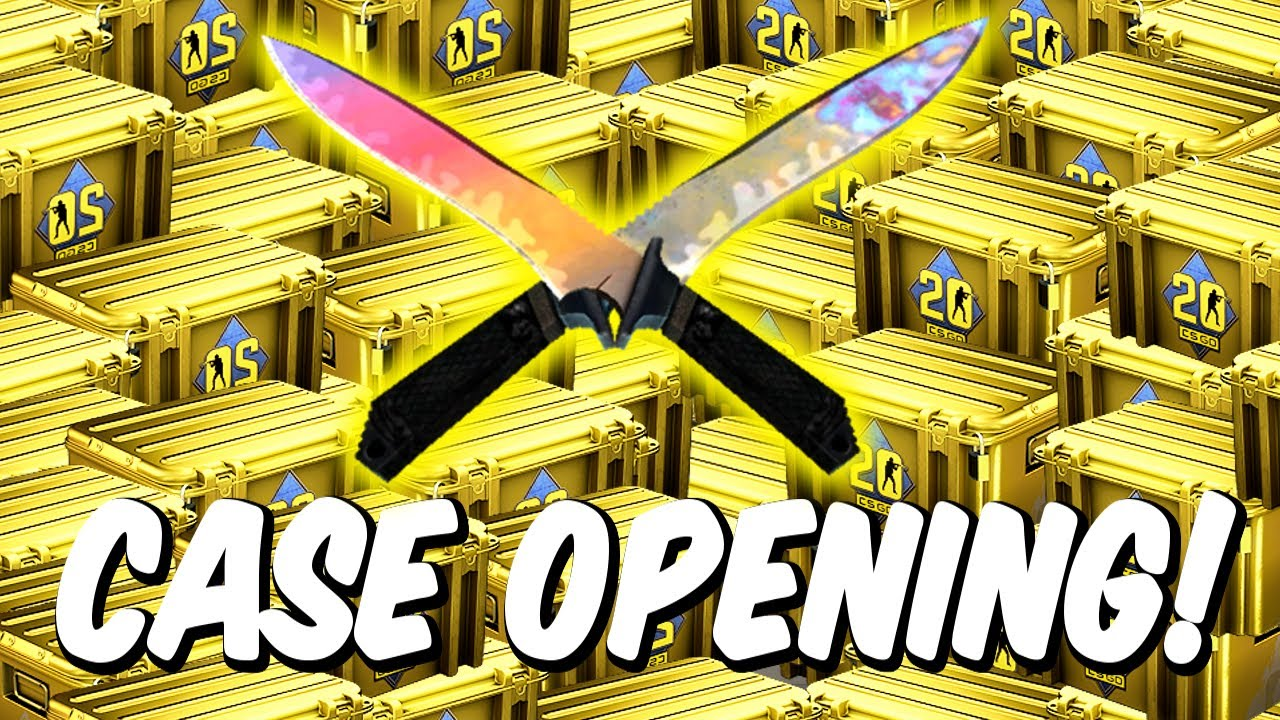
The ecosystem around CS2 case battle mechanics and third-party case opening platforms continues to evolve in 2026. What was once a niche extension of the CS:GO economy has matured into a structured environment where players evaluate interface quality, transparency, case variety, and community activity before choosing where to open cases.
Below are five platforms frequently referenced in February 2026 discussions around CS2 case openings. Each offers a slightly different approach to presentation, case selection, and user engagement.
1. Key-Drop
Key-Drop remains one of the most recognized names in the CS2 case opening space. The platform combines structured case presentation with competitive mechanics such as case battle formats, where players open identical cases simultaneously and compare total outcomes.
One of the defining features of Key-Drop is the clarity of its probability displays. Case contents and drop tiers are visible before opening, which supports informed participation rather than blind selection. The platform also maintains a broad mix of:
- legacy CS:GO-era cases
- modern CS2-themed cases
- custom curated collections
Case battle implementation is particularly streamlined. Users can join existing battles or create their own configurations, selecting case combinations based on preferred volatility. Bot participation ensures consistent availability when player traffic fluctuates.
The interface design emphasizes responsiveness and structured navigation, which contributes to its continued visibility in community discussions.
2. Hellcase
Hellcase has maintained a long-standing presence in the case opening space. Its primary strength lies in its wide case catalog and promotional rotation structure. Users often find:
- frequent themed case additions
- rotating case highlights
- visually distinct presentation layers
Hellcase leans heavily into the entertainment side of case opening, with animated reveals and gamified elements that emphasize visual experience. While it does not center its identity exclusively around case battle modes, it remains a significant platform within the broader CS2 case ecosystem.
3. Skin.Club
Skin.Club focuses on clean interface design and curated case selections. Its layout tends to prioritize simplicity, making navigation intuitive even for newer users.
The platform typically emphasizes:
- structured case categories
- curated bundle-style cases
- limited-time promotional drops
While not as battle-centric as some competitors, it supports interactive opening mechanics and has developed a reputation for stable technical performance.
4. CSGORoll
CSGORoll blends case openings with additional gamified features. Over time, it has built a user base attracted to layered interaction beyond simple case reveals.
Key elements often associated with the platform include:
- multi-mode engagement systems
- reward-based mechanics
- structured user progression elements
Although its ecosystem extends beyond standard case openings, it remains relevant for users interested in integrated gaming-style environments that include case mechanics.
5. CSGOFast
CSGOFast represents one of the earlier entrants in the third-party case opening sector. Its longevity contributes to its recognition within the community.
The platform is typically characterized by:
- fast-loading case openings
- a mix of traditional and custom case formats
- a simplified navigation structure
While newer platforms may emphasize layered gamification, CSGOFast maintains a straightforward case opening approach that appeals to users who prefer minimal complexity.
What differentiates platforms in 2026?
As the CS2 case ecosystem matures, the differences between platforms are less about raw functionality and more about execution. The core mechanic — opening randomized cosmetic cases — remains similar across services. However, distinctions emerge in:
- probability transparency
- case diversity
- interface responsiveness
- community engagement tools
Some platforms prioritize visual spectacle. Others focus on competitive overlays like case battle modes. Still others build layered reward systems around repeated participation.
In 2026, players are generally more informed and more selective. They examine odds presentation, review interface clarity, and compare case catalogs before committing to a platform.
The February 2026 landscape
The February 2026 environment reflects a stabilized but competitive space. Established platforms maintain user bases through consistency, while ongoing refinements in interface and case structure shape user preference.
Case battle mechanics, curated case bundles, and legacy CS:GO case integration continue to drive engagement across multiple sites. At the same time, users increasingly approach case openings as structured entertainment experiences rather than impulse actions.
Understanding platform differences — rather than chasing short-term trends — remains the most effective way to navigate the CS2 case ecosystem.

Jim's passion for Apple products ignited in 2007 when Steve Jobs introduced the first iPhone. This was a canon event in his life. Noticing a lack of iPad-focused content that is easy to understand even for “tech-noob”, he decided to create Tabletmonkeys in 2011.
Jim continues to share his expertise and passion for tablets, helping his audience as much as he can with his motto “One Swipe at a Time!”