
Top 3 Failures In Smartphone History
By 2025, fewer and fewer manufacturers are willing to take bold risks in smartphone design or construction. Most models stick to tried-and-tested solutions that are sure to please buyers.
However, this was not always the case—just 10 years ago, brands were still searching for the right formula and periodically decided on unusual and bold solutions. Sometimes this brought success, but there were also some high-profile failures.
Some ideas turned out to be less successful in practice than they seemed during the development stage, others suffered from mediocre implementation, and some were simply ahead of their time.
We have selected seven examples of smartphones that stood out for their striking features but failed to achieve success.
And here are some cool gaming offers – scratchcard
Red Hydrogen One
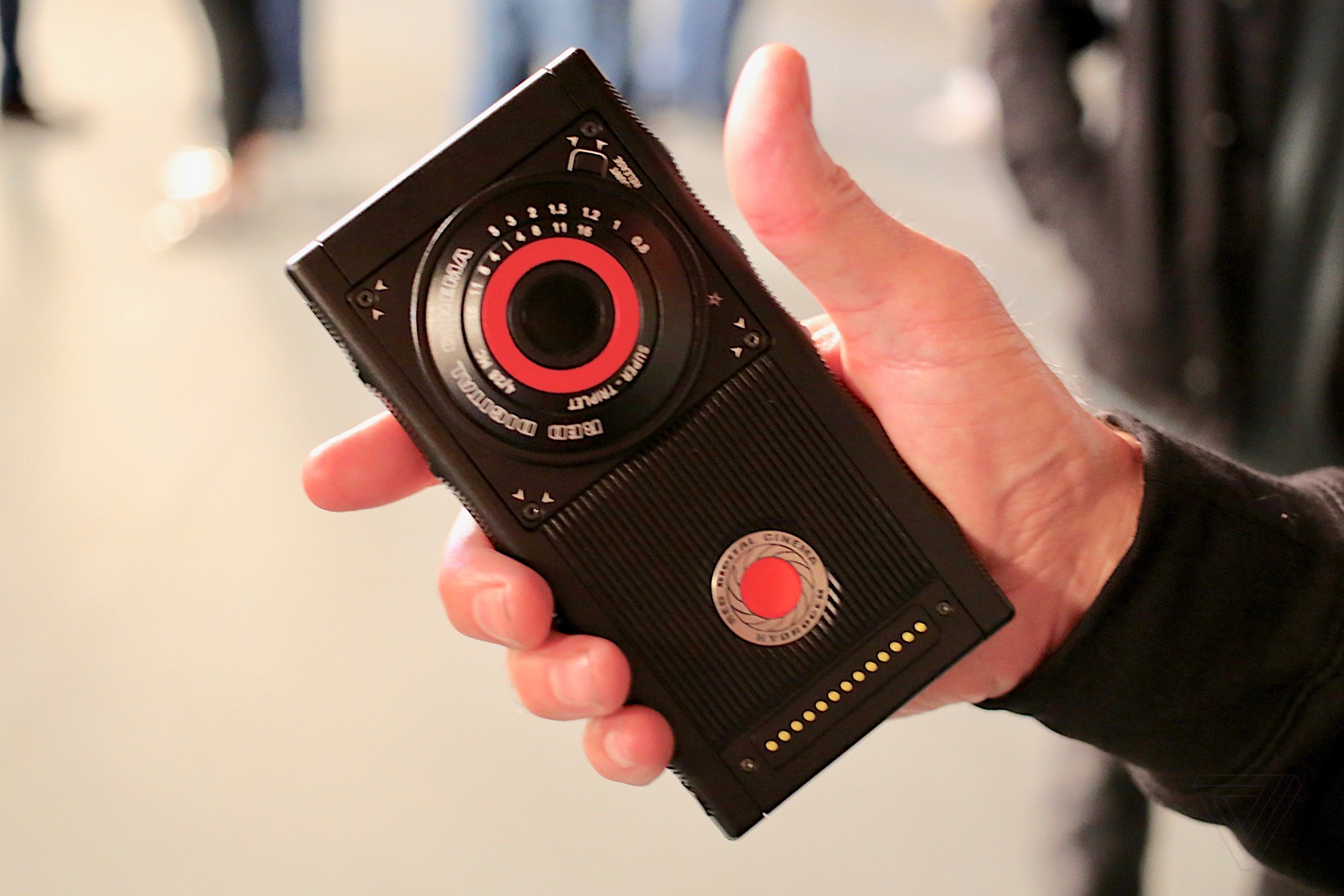
Red, a company known for its movie cameras, decided to transfer its accumulated experience in creating high-quality images to the world of smartphones. In 2018, Red released the Hydrogen One, whose main feature was a holographic screen.
This screen was based on 4 View technology with a nano-textured substrate to diffuse the display backlight, creating a holographic effect of image depth. This made it possible to view 3D content without special glasses.
In addition, various proprietary modules could be connected to the smartphone to expand its capabilities, such as shooting 8K video or working with professional Red optics.
However, the device turned out to be bulky and heavy, and the holographic technology was more of a curiosity than a truly necessary feature.
In addition, there was little content for such a screen, and the impressive price of $1,295 made it a failed project that did not gain popularity.
Marshall London
Marshall is a well-known manufacturer of audio equipment. So when they decided to enter the smartphone market, they positioned their first device, the Marshall London, as a music gadget.
The design of the model was reminiscent of classic Marshall guitar amplifiers: a textured plastic body, gold accents, and rubberized edging.
However, the main feature was the audio system with two powerful, high-quality speakers and two connectors for connecting headphones, which allowed two people to listen to music at the same time.
Among other things, it had a dedicated Cirrus Logic WM8281 digital-to-analog converter (DAC) inside, which allowed users to “unlock the potential” of their headphones, as well as fine-tune the equalizer for more accurate and precise sound reproduction.
Despite all these musical features, the Marshall London turned out to be a failure. This was mainly due to its budget-level components combined with a high price tag: a Snapdragon 410, 2 GB of RAM, an HD screen, and a modest set of cameras at a cost of $499 in 2015 failed to attract attention, as a flagship model could be purchased for a similar price.

Samsung Galaxy Round and LG G Flex
In 2013, Samsung and LG were among the first to introduce smartphones with curved screens. However, the companies approached the implementation of this idea in different ways. The Galaxy Round was distinguished by its concave cross-section.
This was supposed to improve ergonomics and make it easier to operate with one hand. However, in practice, the advantage proved to be questionable.
The LG G Flex, on the other hand, was curved on the horizontal sides rather than the vertical ones, making it more like a classic landline phone. In addition, it was equipped with a rear panel with a self-healing coating that smoothed out minor scratches.

Jim’s passion for Apple products ignited in 2007 when Steve Jobs introduced the first iPhone. This was a canon event in his life. Noticing a lack of iPad-focused content that is easy to understand even for “tech-noob”, he decided to create Tabletmonkeys in 2011.
Jim continues to share his expertise and passion for tablets, helping his audience as much as he can with his motto “One Swipe at a Time!”