
Laptop vs Tablet in 2025: Which One’s Right for You and Why
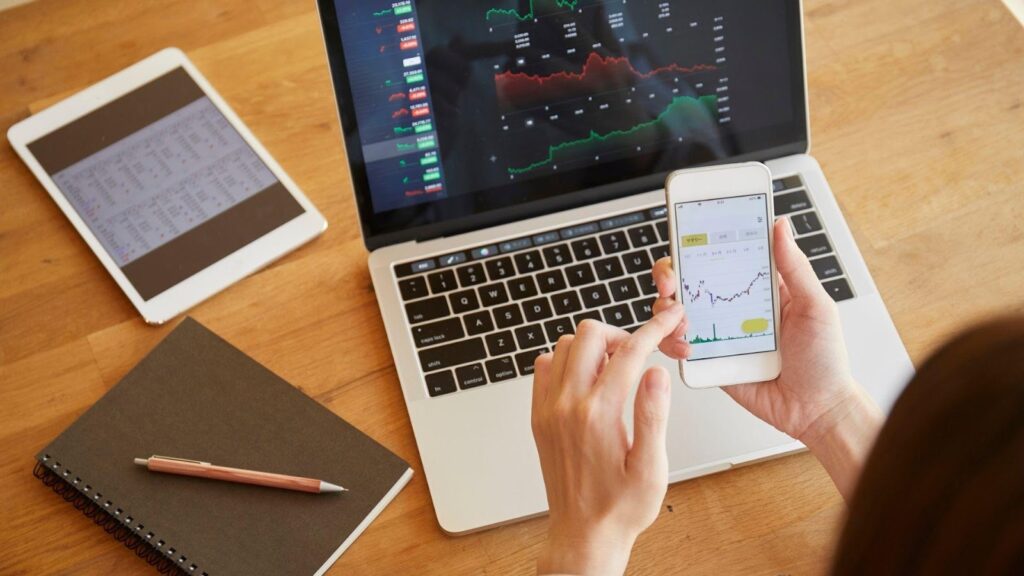
In 2025, the line between laptops and tablets is thinner than it has ever been. Hybrids are common, mobile chips are stronger, and software feels the same across screens. The right pick comes down to how you live and work, not just what sits on a spec sheet.
For many people, that means asking how well a device handles everyday entertainment and reading as well as work. You might stream a series, read ebooks, catch up on long-form articles, or jump into a few casual games in a single evening.
Screen quality, battery life, and comfort all matter when you are staring at text or video for hours at a time.
The same is true if you enjoy more interactive forms of downtime, such as checking out the best online casino in Canada, where clear visuals, smooth performance, and secure connections all play a part in how relaxed the experience feels.
The same can be said for watching your favorite Netflix shows; you want the most comfortable experience possible.
Portability That Actually Fits Your Day
Laptops have always been built for travel, from the brick-sized pioneers to today’s smaller models, which are becoming increasingly more popular.
What has changed is how comfortable they feel away from a desk. Modern ultraportables stay cool and quiet, wake instantly, and last long enough for a full commute and a late train home.
Tablets have grown up alongside them. Big, bright 12 to 14-inch panels and a firm keyboard cover make it easy to move between reading, sketching, and typing.
A tablet still wins for one-handed use and instant-on. A thin laptop still wins for long stretches of typing and heavy multitasking.
Power Has Shifted, But Context Matters
Raw power used to belong to laptops alone. That is no longer a safe assumption. Current mobile chips bring serious performance and strong integrated graphics to both categories.
Creative apps open fast on tablets, and AI features handle background tasks without needing a wall outlet every few hours.
Still, context matters. A laptop remains the safer bet for heavy multitasking. If your day includes a dozen browser tabs, spreadsheets, large email threads, and a creative suite running in the background, a laptop’s thermal headroom and memory options keep things smooth.
Tablets are catching up, but still shine most when work is focused. Think note-taking, sketching, whiteboard sessions, short video edits, and reviewing slide decks.
How You Prefer to Work: Touch, Pen, or Keys?
Input is where preference becomes the deciding factor. Laptops deliver a proper keyboard, a larger trackpad, and firm palm rests. If you write thousands of words, code for hours, or live inside documents and data tables, that layout reduces fatigue.
Shortcuts are easier to reach. Precision selections are faster. You can also plug in your favorite mouse without juggling dongles.
Tablets lead in direct interaction. A tap or swipe gets you where you need to go. A pen lets you circle, scribble, and shade in a way that a keyboard cannot match. Marking up PDFs feels natural. Sketching ideas for a logo, diagram, or storyboard happens in seconds.
Add a keyboard cover and you can move into typing mode without changing devices. The result is a flexible tool that adapts to the task, rather than asking you to adapt to it.
Battery Life You Can Trust
Tablets still hold an edge on endurance. A tablet that has been looked after can last through a full day of classes or meetings and still have power left for streaming at night. Fanless designs and adaptive refresh rates make a visible difference in how long they stay awake.
Laptops have made real progress. Many thin models now reach a full workday with careful brightness and performance settings. Fast charging helps as well. Topping up during lunch can carry you through an evening session.
If you split your time between outlets and on the go, either category works. If you want to avoid power anxiety, a tablet provides more breathing room.
Entertainment, Reading, and Everyday Comfort
For pure comfort on the sofa, tablets are hard to beat. High refresh OLED screens make films pop and text look crisp.
The speakers on premium models are surprisingly full for such thin frames. Holding a tablet for reading is simpler than cradling a laptop, and touch makes scrubbing through a timeline feel immediate.
Laptops bring flexibility to the same content. You can watch a show while taking notes or replying to messages on the same screen.
Windowed apps let you keep a chat open during a live stream or a game. If you like to mix leisure and light work at the same time, the laptop layout helps you keep both in view.
Gaming and Graphics in a Mobile World
Local gaming power is still stronger on laptops, especially those with dedicated GPUs. Esports titles fly, and many AAA games run well on mid-tier hardware with sensible settings. High refresh laptop displays make a real difference if you play competitive shooters.
Tablets offer something different. Cloud gaming has matured into a practical option, and mobile titles often run at high frame rates with excellent touch control.
Clip on a small controller and you can turn a tablet into a travel-friendly console that wakes instantly and never roars with fan noise. If your gaming is a mix of cloud services, mobile hits, and indie gems, a tablet delivers more play with less heat and weight.
Price and Value
At the entry level, tablets are still the most affordable way to get a fast, modern screen with long battery life. Add a pen and a keyboard, and the price climbs into laptop territory, but you also gain a creative tool that feels completely different from a clamshell.
Mid-range laptops have become excellent value, with strong processors, good screens, and quick storage at approachable prices. Premium models on both sides get expensive, but they also last longer, receive more years of updates, and keep their resale value.
The question to ask is simple. Do you want one device to replace a computer, or do you want something that complements one you already own?
If you need a single machine for work and play, a laptop stretches further. If you have a desktop at home or work and want a light device for travel, reading, and sketching, a tablet is easier to carry.
Which is Best for You?
Choose a laptop if your work is text-heavy, if you juggle many windows, or if you plug into a mix of monitors and drives. Choose a tablet if you live in notes and sketches, if you want a great screen for reading and video, or if you travel often and value instant on with all-day battery life.
If you can own both, the pairing is still the best of both worlds. A light tablet for the sofa or a flight, and a steady laptop for deep work, covers everything without compromise.

Jim’s passion for Apple products ignited in 2007 when Steve Jobs introduced the first iPhone. This was a canon event in his life. Noticing a lack of iPad-focused content that is easy to understand even for “tech-noob”, he decided to create Tabletmonkeys in 2011.
Jim continues to share his expertise and passion for tablets, helping his audience as much as he can with his motto “One Swipe at a Time!”