
The Farm-to-Table Lie: How Restaurants Fake Local Sourcing
The menu proudly lists “locally sourced heirloom tomatoes” and “farm-fresh eggs from nearby pastures,” commanding premium prices for dishes marketed as supporting local agriculture.
But investigations reveal that many of these same restaurants purchase industrial produce from massive distributors hundreds of miles away, slapping “local” and “farm-to-table” labels on conventional ingredients.
This deception isn’t limited to a few bad actors — it’s a widespread industry practice exploiting consumer demand for ethical, sustainable food. The farm-to-table movement’s noble intentions have been corrupted by restaurants prioritizing marketing over authenticity.
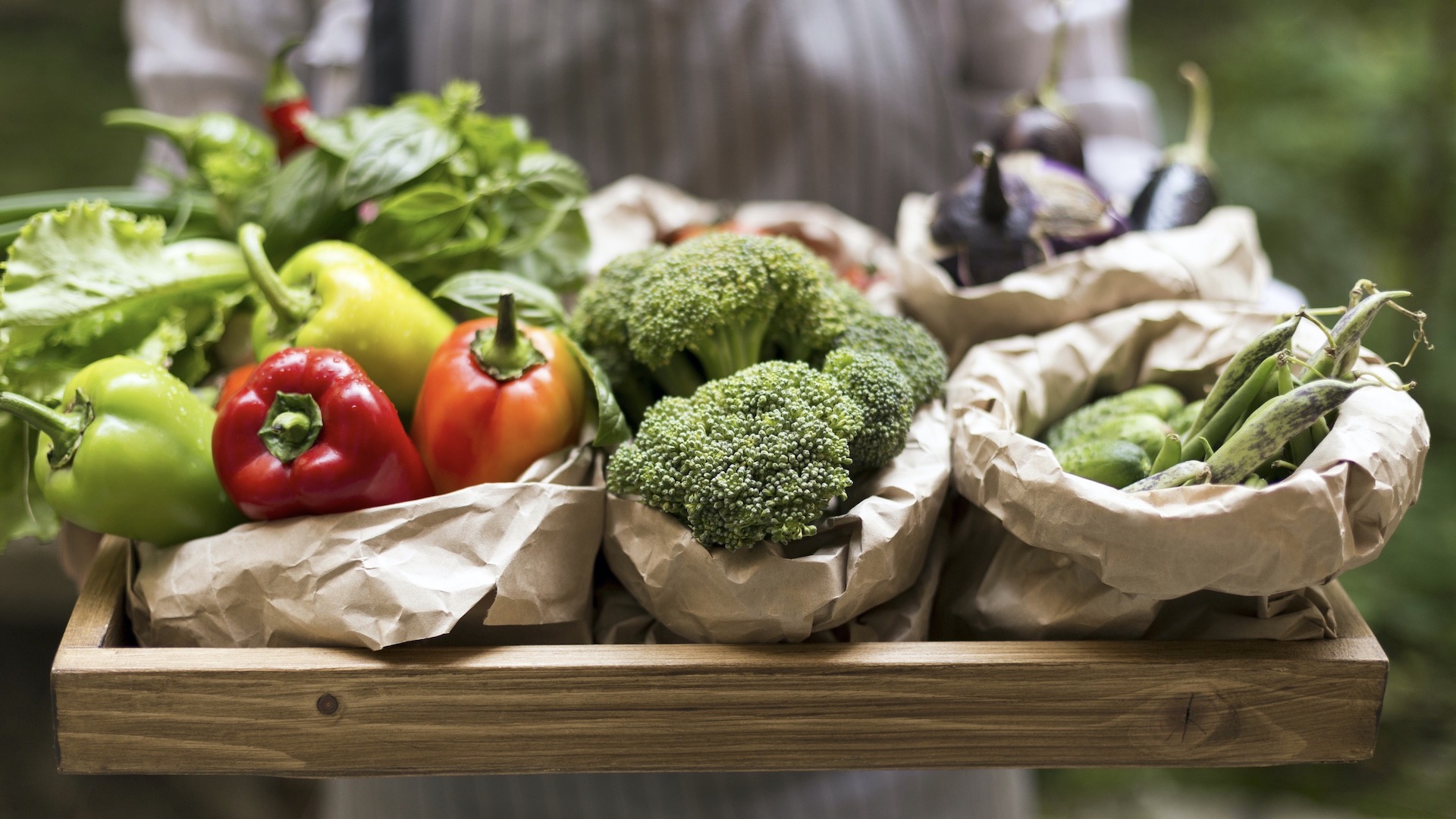
The Scope of the Problem
Studies estimate that 30-50% of restaurants making local sourcing claims engage in some form of misrepresentation, ranging from minor exaggerations to outright fraud. The issue pervades all restaurant tiers — from casual bistros to upscale establishments.
Regulatory enforcement remains minimal, with most jurisdictions lacking clear definitions of “local” or mechanisms to verify sourcing claims. Restaurants face virtually no consequences for false advertising about ingredient origins.
The authenticity and transparency crisis extends beyond restaurants into multiple industries where marketing claims often diverge from reality. Consumer trust issues affect sectors from food service to digital entertainment, where verifiable operations matter to customers.
In regulated industries like online gambling, transparency requirements are actually stricter — licensed operators such as vulkan vegas casino must demonstrate legitimacy through regulatory compliance, independent auditing, and transparent payout reporting.
Online casino platforms face mandatory verification of fairness claims, game integrity testing, and regular audits by gaming authorities, creating accountability absent in restaurant sourcing claims.
This contrast highlights how sports betting sites and online gambling operators face more rigorous verification than restaurants making health and sustainability claims, despite food sourcing arguably having more direct consumer impact.
This accountability gap enables widespread restaurant fraud. Without mandatory verification systems or meaningful penalties, restaurants freely make unverifiable claims knowing consumers lack resources to investigate.
The trust-based system invites exploitation, with ethical restaurants competing against fraudulent ones charging similar premiums for genuinely local ingredients versus falsely labeled conventional products.
Common Deceptive Practices
Restaurant sourcing fraud manifests through various deceptive tactics designed to mislead consumers while maintaining plausible deniability. Understanding these practices helps identify suspicious claims.
| Practice | Legitimate Local Sourcing | Fraudulent “Local” Claims |
| Supplier documentation | Detailed invoices from named local farms | Generic distributor receipts, vague sourcing |
| Menu specificity | Lists actual farm names and locations | Uses generic terms like “local farms” |
| Seasonal availability | Menu changes reflect seasonal crops | Same items year-round regardless of season |
| Staff knowledge | Servers can name farms and farmers | Vague answers, can’t provide details |
| Verification access | Welcomes questions, provides farm contacts | Defensive or evasive about sourcing |
| Pricing consistency | Premium prices justified by higher costs | Premium prices without cost basis |
The most common deception involves purchasing from large distributors who source from conventional industrial farms, then using ambiguous language like “fresh” or “farm-to-table” that technically applies to any food but implies local sourcing.
Some restaurants buy 10-20% of ingredients locally and market themselves as “farm-to-table” establishments despite 80%+ conventional sourcing.
Another tactic involves name manipulation. Restaurants create fictional farm names or use generic names like “Valley Farm” or “Green Acres” that sound local but refer to industrial operations or distributors.
Some even register business names incorporating “farm” to obscure that they’re actually importing from wholesale markets.
Why Restaurants Do This?
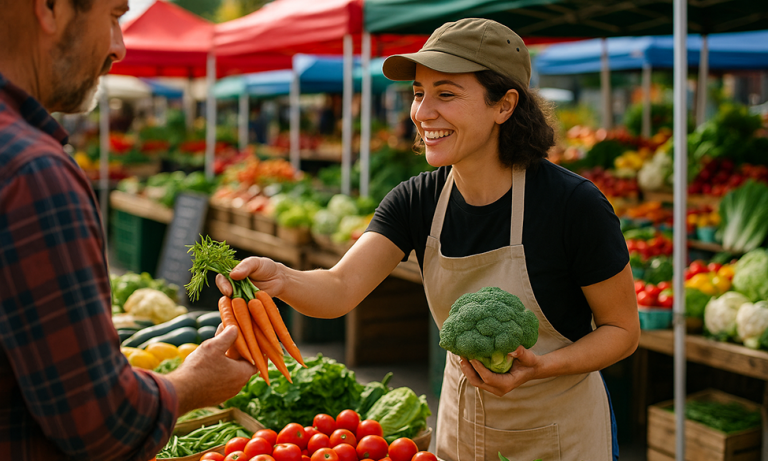
Economic pressures and marketing advantages drive sourcing fraud despite ethical concerns. Understanding these motivations reveals systemic issues beyond individual restaurant dishonesty.
Restaurants engage in local sourcing fraud for multiple interconnected reasons that make deception rational from a business perspective:
- Profit margin optimization: Conventional ingredients cost 40-70% less than genuinely local products, but “farm-to-table” branding justifies 30-50% price premiums, dramatically improving profitability
- Supply chain reliability: Local farms can’t guarantee consistent volume, quality, or year-round availability, creating operational challenges that conventional distributors solve
- Consumer demand exploitation: Customer willingness to pay premium prices for perceived sustainability creates a powerful incentive to claim local sourcing regardless of reality
- Competitive pressure: When competitors fake local sourcing and capture market share, ethical restaurants face pressure to either match false claims or accept a disadvantage
- Regulatory void: Absence of enforcement means fraud carries virtually zero risk while offering substantial rewards, making deception economically rational
- Marketing differentiation: Farm-to-table branding provides storytelling opportunities that attract customers and media attention, generating valuable publicity
These factors create a tragedy of the commons scenario where individual restaurants benefit from fraud while collective industry credibility suffers.
The race to the bottom punishes ethical operators who face higher costs without the ability to prove authenticity against fraudulent competitors’ identical marketing claims.
How to Spot Fake Local Sourcing?
Consumers can employ several verification strategies to identify genuine local sourcing versus marketing fiction. Asking pointed questions and observing restaurant behavior reveals authenticity levels.
Request specific farm names and locations. Legitimate restaurants eagerly share this information — it’s their value proposition. Evasive responses like “we work with several local suppliers” without naming them signal potential fraud.
Google the farm names provided; genuine local farms typically have an online presence or can be verified through agricultural directories.
Check seasonal consistency. Restaurants serving tomatoes in January in northern climates aren’t sourcing locally. Genuine farm-to-table menus change substantially with seasons, reflecting actual crop availability. Year-round menu stability with “local” claims indicates deception.
Ask servers about specific ingredients. Staff at genuinely local-sourcing restaurants receive training about farms and products. Inability to answer basic questions about sourcing suggests the restaurant doesn’t actually prioritize local relationships.
Visit during farmer’s market hours and check if the restaurant shops there — genuine commitment to local sourcing often includes visible market presence.
Examine pricing relative to market costs. If restaurant “local” prices seem only marginally higher than conventional restaurants, either they’re losing money on every dish or they’re not actually buying expensive local ingredients. Authentic local sourcing costs significantly more, reflected in pricing.
Real Farm-to-Table Standards
Legitimate farm-to-table restaurants operate with transparency that makes verification straightforward. These establishments view sourcing as their primary competitive advantage and actively invite scrutiny.
They maintain relationships with named farms, provide documentation upon request, adjust menus seasonally, and often feature farmer profiles on websites or menus.
Some restaurants pursue third-party certification through programs like Certified Naturally Grown or participation in verified farm-to-table cooperatives. While voluntary, these certifications require documentation and inspections that prevent fraud.
Other indicators include restaurant-owned gardens visible to diners, chef participation in farmers’ markets, and collaboration with named local food networks.
The price premium for authentic local sourcing typically ranges from 25-40% above conventional restaurants for similar dishes. This reflects genuine cost differences in small-scale agriculture versus industrial food systems. If prices don’t reflect these economics, scrutinize sourcing claims carefully.
Support genuine local food systems by verifying restaurant claims, asking tough questions, and rewarding honesty with your patronage.
The farm-to-table movement’s environmental and economic benefits only materialize when restaurants actually implement it rather than exploiting the concept as marketing shorthand.
Consumer vigilance remains the only reliable enforcement mechanism protecting against widespread sourcing fraud.

Jim’s passion for Apple products ignited in 2007 when Steve Jobs introduced the first iPhone. This was a canon event in his life. Noticing a lack of iPad-focused content that is easy to understand even for “tech-noob”, he decided to create Tabletmonkeys in 2011.
Jim continues to share his expertise and passion for tablets, helping his audience as much as he can with his motto “One Swipe at a Time!”