
How Does Healthcare Mobile Application Development Ensure Security and Regulatory Compliance?
Healthcare mobile application development lives in a place where one careless line of code can spill the medical history of thousands of people.
Sit with that thought. A banking app that breaks costs you money. A health app that breaks can cost someone their privacy, their trust, sometimes their safety. That difference shapes everything.
So how do engineering teams keep patient records sealed tight while regulators keep tightening the rules? The answer has layers. And it begins long before anyone writes the first function.
Why Security Cannot Wait Until Later?
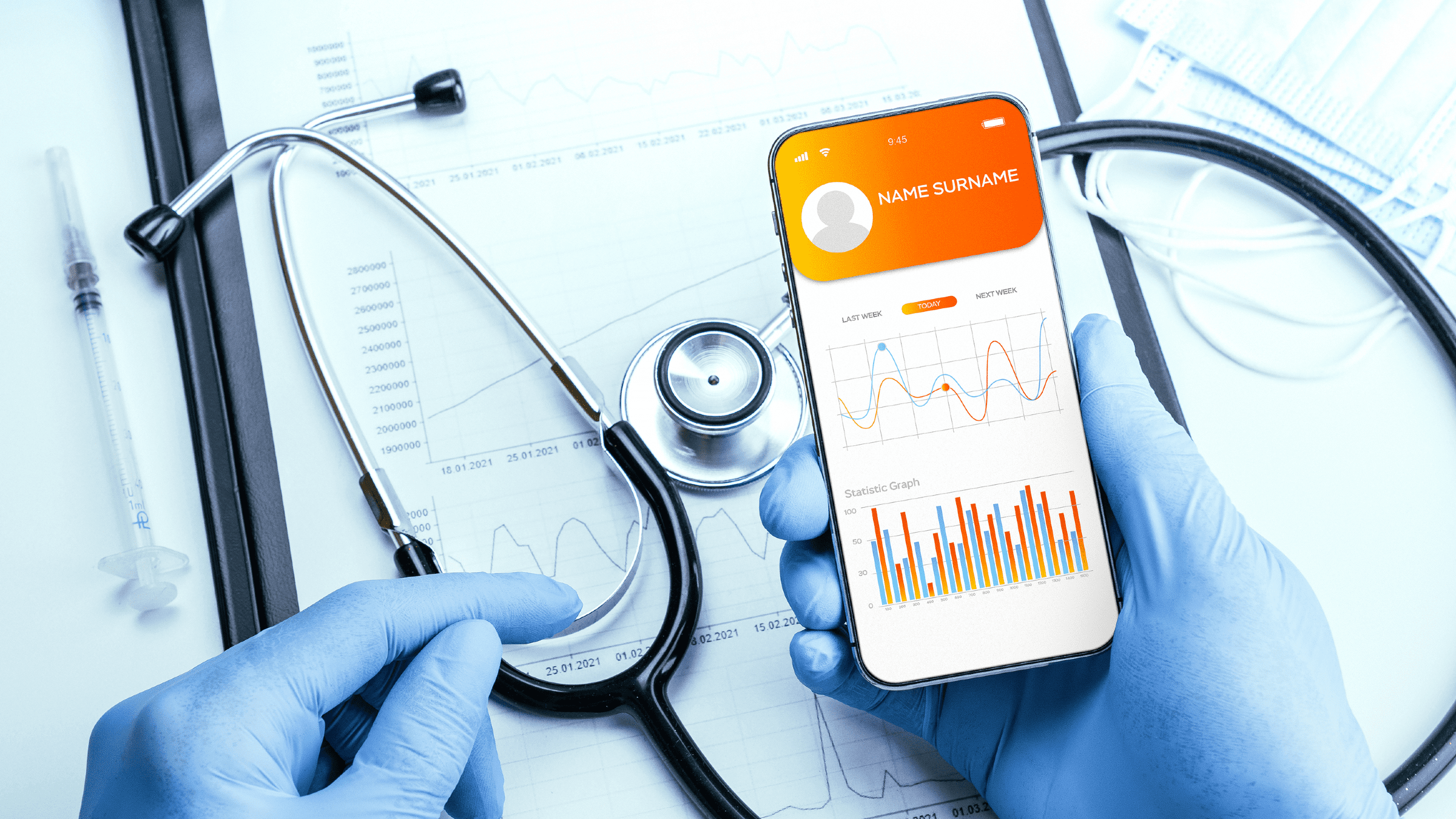
Medical apps hold what the law calls Protected Health Information. Names tied to diagnoses. Prescriptions. Lab results. Insurance numbers. Criminals pay far more for this on illegal markets than they pay for stolen credit cards.
A hospital rarely survives a breach with its reputation intact. Patients walk away. Fines stack up fast. Trust, once broken, almost never returns.
Security has to grow from the earliest design talks rather than get glued on near launch. Teams that treat protection as a last-minute feature almost always pay for that mistake.
The Defenses That Actually Guard Patient Data
Solid healthcare apps lean on a handful of battle-tested methods. Each shuts a door an attacker might try.
- Encryption at rest and in transit keeps data scrambled whether it sleeps on a server or races across a network
- Role-based access makes sure a receptionist cannot open the files a surgeon opens
- Multi-factor authentication stops a stolen password from becoming a stolen record
- Continuous monitoring watches for odd behavior and sounds the alarm quickly
- Audit trails log every click, building a record of who touched what and when
One defense alone rarely holds. A bolted front door means little when the windows swing open. Real safety comes from stacking these methods so they cover each other.
The Regulatory Maze Every App Must Cross
Each country writes its own rulebook and apps that reach across borders have to respect all of them at once. Here is how the big ones compare.
| Regulation | Region | Main Focus |
| HIPAA | United States | Health information privacy and security |
| GDPR | European Union | Personal data processing and consent |
| FDA rules | United States | Software treated as a medical device |
| EU MDR/IVDR | European Union | Medical device safety and performance |
| NIST frameworks | Global reference | Cybersecurity risk management standards |
Compliance is never a single checkbox you tick and forget. Laws shift. Fresh threats surface. Audits arrive with no warning. A serious partner figures out which rules apply at the very start not halfway through the build.
Weaving Compliance Into Daily Work
This is where theory meets the keyboard. The teams that win treat regulation as a design limit, the way weight caps shape how engineers build a bridge.
They map data flows before coding starts. They write down how consent gets collected. They test for weak spots all through the build instead of cramming it in at the finish line.
And they keep training people, because the sharpest firewall cannot save you from one tired employee who clicks a bad link.
Five Companies Leading Healthcare Mobile Development
The partner you pick decides whether your app becomes a tool people trust or a threat waiting to happen. These five firms deliver secure and compliant medical software with real consistency.
- Andersen. With more than 19 years behind it, Andersen serves providers, payers, pharmacies and research groups across the USA, Europe and the Middle East. Its healthcare mobile application development spans remote patient monitoring, TeleMedicine platforms, EHR integrations and AI tools that help clinicians catch shifts in a patient's condition sooner. The company builds enterprise-grade security architecture that encrypts patient data and enforces access controls, supporting HIPAA and GDPR across clinical and administrative systems. It pairs certified quality standards with regulatory alignment spanning GDPR, EU MDR/IVDR, US FDA rules, HIPAA and NIST. Its security engineers hunt for vulnerabilities, help clients recover after incidents and keep compliance at the heart of every project.
- Epam Systems. A global engineering giant with a mature healthcare and life sciences practice. Epam supports pharmaceutical firms and providers through data platforms, clinical software and mobile products. Its strength lies in cloud expertise and disciplined delivery. Organizations often turn to Epam when a program is huge and many parts must move in sync across regions.
- Softserve. Here the draw is domain knowledge fused with data science and applied AI. Softserve helps medical organizations modernize aging systems and build tools patients actually use. Interoperability runs through much of its work, letting separate systems trade information without friction. It fits teams that want new technology folded into clinical routines without shaking stability.
- Intellectsoft. This firm concentrates on custom mobile and web products for regulated fields, healthcare among them. It stresses secure development and guides clients through HIPAA duties starting at the design phase. Telehealth apps, patient engagement portals, workflow automation, all sit within its range. Smaller and mid-sized providers tend to find its style flexible and easy to approach.
- Netguru. Known for polished design and quick delivery, Netguru has grown a healthy digital health portfolio. The team crafts mobile health apps where clean user experience and data protection share equal weight. It works with startups and established names, walking products from raw idea to launch. It suits companies that see strong design thinking as part of their compliance story.
What Separates a Trustworthy Partner From the Rest?
Look at the pattern running through every firm above. The best ones do more than write code. They know the law, they respect how sensitive the data is and they design defenses from day one.
When you weigh a possible partner, ask the uncomfortable questions. How do they handle encryption? Can they show you audit trails? Do they train their people? A vendor who stumbles on these will stumble with your patients' trust too.
Conclusion
Security and compliance are not rivals fighting for space. They feed each other. A genuinely secure app satisfies most regulations on its own and a compliant app almost always rests on sound security. Both spring from the same root which is real respect for the people whose lives sit inside the data.
The stakes stay sky-high, yet the road ahead is plain. Encrypt everything. Guard access tightly. Watch without pause. Pick a partner who treats regulation as a foundation not a chore.
Firms like Andersen show that patient care and ironclad protection can stand together, giving healthcare organizations the nerve to innovate without looking over their shoulder.
FAQs
Can a health app ever be truly hack-proof?
Nothing is perfectly immune. But layered defenses make an attack so slow and costly that most criminals give up and move on. The aim is resilience not an empty promise of zero risk.
Who takes the blame if a medical app leaks my data?
Responsibility usually splits between the healthcare provider and the development partner, shaped by the contract and by what actually failed. That is exactly why careful teams document every safeguard.
Does tighter security make an app slower or clunkier?
Good design says the opposite. Tricks like biometric login often make a secure app faster and smoother than a fussy password screen ever was.
Why do the compliance rules keep shifting?
Threats evolve, technology races ahead and regulators answer new dangers. A rule that shielded patients in 2015 can leave holes today, so lawmakers rewrite the standards.
Should a small clinic follow the same rules as a big hospital?
Yes, without question. Attackers often aim at smaller places precisely because they bet the defenses are thinner. Compliance protects a clinic of any size just the same.

Jim's passion for Apple products ignited in 2007 when Steve Jobs introduced the first iPhone. This was a canon event in his life. Noticing a lack of iPad-focused content that is easy to understand even for “tech-noob”, he decided to create Tabletmonkeys in 2011.
Jim continues to share his expertise and passion for tablets, helping his audience as much as he can with his motto “One Swipe at a Time!”