
Why Roulette Is Called the Devil’s Game?
Roulette means nothing more sinister than little wheel in French, yet across much of the gambling world the game carries a far darker title.
Players and writers have long called it the Devil's game, or the Devil's wheel, a nickname that conjures images of temptation, fate, and forces beyond human control. For a pastime built on a spinning drum and a small bouncing ball, that reputation seems wildly out of proportion at first glance.
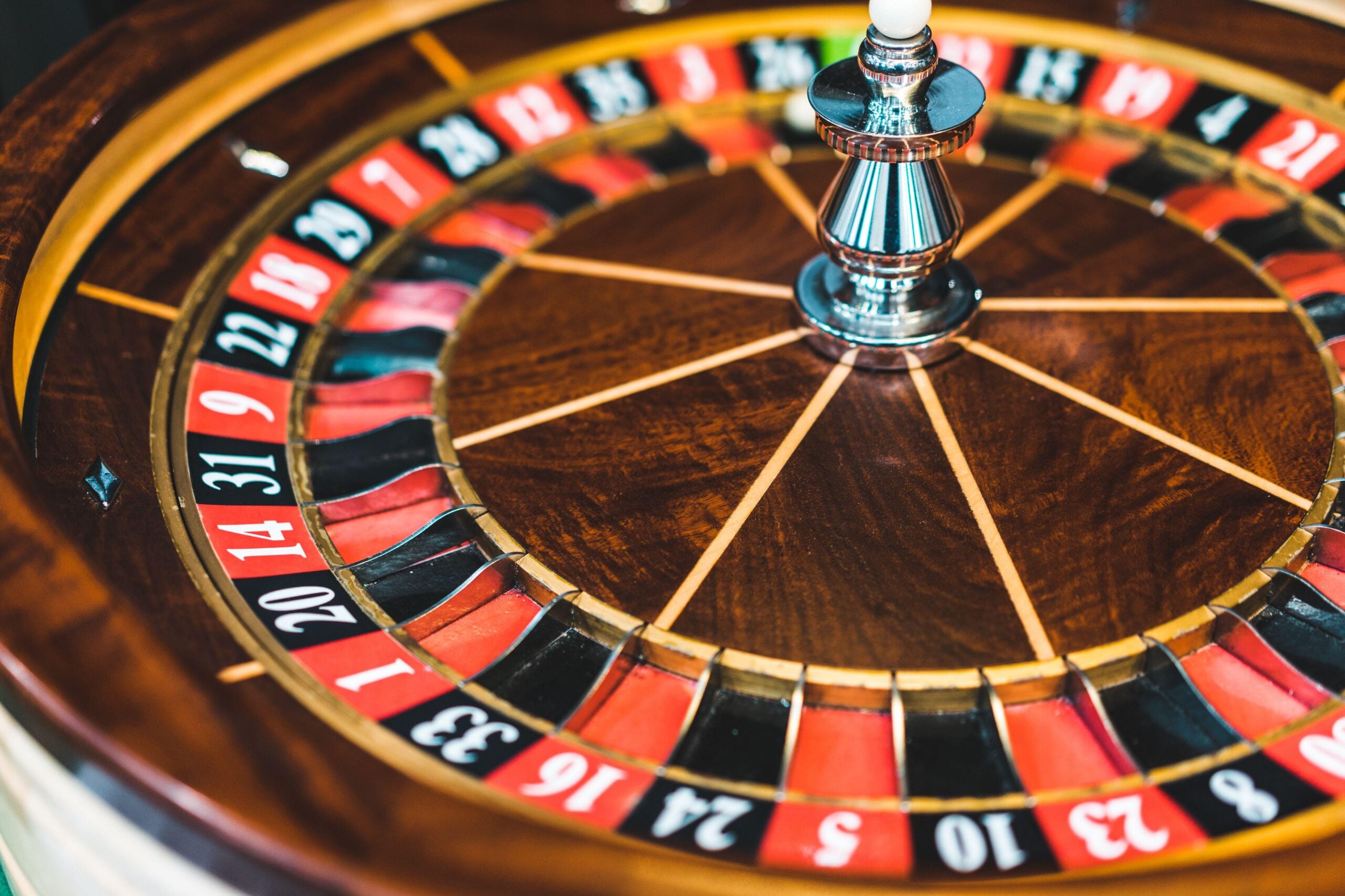
The truth behind the name is a blend of eerie numerical coincidence, nineteenth-century legend, and the very real way the game separates players from their money.
None of it involves anything genuinely supernatural, yet each thread has helped the myth survive for well over a century.
Understanding where the nickname came from reveals as much about human superstition as it does about the wheel itself, and it makes for a memorable story.
A Nickname Soaked in Superstition
Gambling has always attracted superstition, and roulette gathered more than its share during the glamorous Monte Carlo era of the eighteen hundreds.
Elegant halls full of evening dress and quiet tension made the perfect setting for whispered stories, and a game governed entirely by chance felt, to many, like a brush with destiny itself. When fortunes vanished on a single unlucky spin, it was tempting to blame something darker than plain mathematics.
Two ideas in particular gave the dark nickname its staying power. One is a strange quirk hidden in the very numbers printed on the wheel, a coincidence that superstitious players treated as proof of something sinister.
The other is a colourful legend about the man who made the modern game famous. Neither holds up as history, yet together they wrapped roulette in an aura of danger that clings to it even now.
Numbers That Add Up to 666
The most famous explanation hides in plain sight on every wheel. Add together each number from one to thirty-six, ignoring the colours and the zero, and the total comes to exactly six hundred and sixty-six.
That figure carries heavy baggage, since the Book of Revelation names 666 as the number of the beast, a symbol tied for centuries to evil and the anti-Christ. To gamblers already uneasy about losing, the coincidence felt like a warning carved into the layout.
- The total of 1 through 36 lands on 666 every single time.
- Rearranging the numbers never produces a different sum.
- Revelation names that same figure as the number of the beast.
- The zero adds nothing, so the wheel keeps its ominous total.
The Pact of François Blanc
François Blanc, a nineteenth-century French businessman, forms the second pillar of the myth, the man who turned roulette into the centerpiece of European gambling.
Together with his brother Louis, he championed the single-zero wheel and built the famous gaming hall at Monte Carlo into a magnet for the wealthy. He proved so skilled at running the tables that admirers nicknamed him the Magician, a title that only fed the rumors quietly swirling around him.
According to the legend, Blanc did not earn his uncanny success through skill alone. Whispers claimed he had struck a bargain with the Devil himself, trading his soul for the secrets of the perfect game of chance.
Some versions even insist he confessed that the knowledge came straight from below. Historians find no evidence for any of it, yet the tale fits the eerie 666 coincidence so neatly that the two stories have traveled together ever since.
Where the Real Devil Hides?
Strip away the folklore and a more practical culprit emerges, one that still operates on every wheel turning today. Modern roulette spins on the same drum and ball whether in a grand hall or the live-dealer rooms at vvegas casino and countless other lobbies, and the appeal endures because the ritual barely changes.
Placing chips, watching the wheel slow, and waiting for the ball to settle is the very rhythm that once felt like tempting fate.
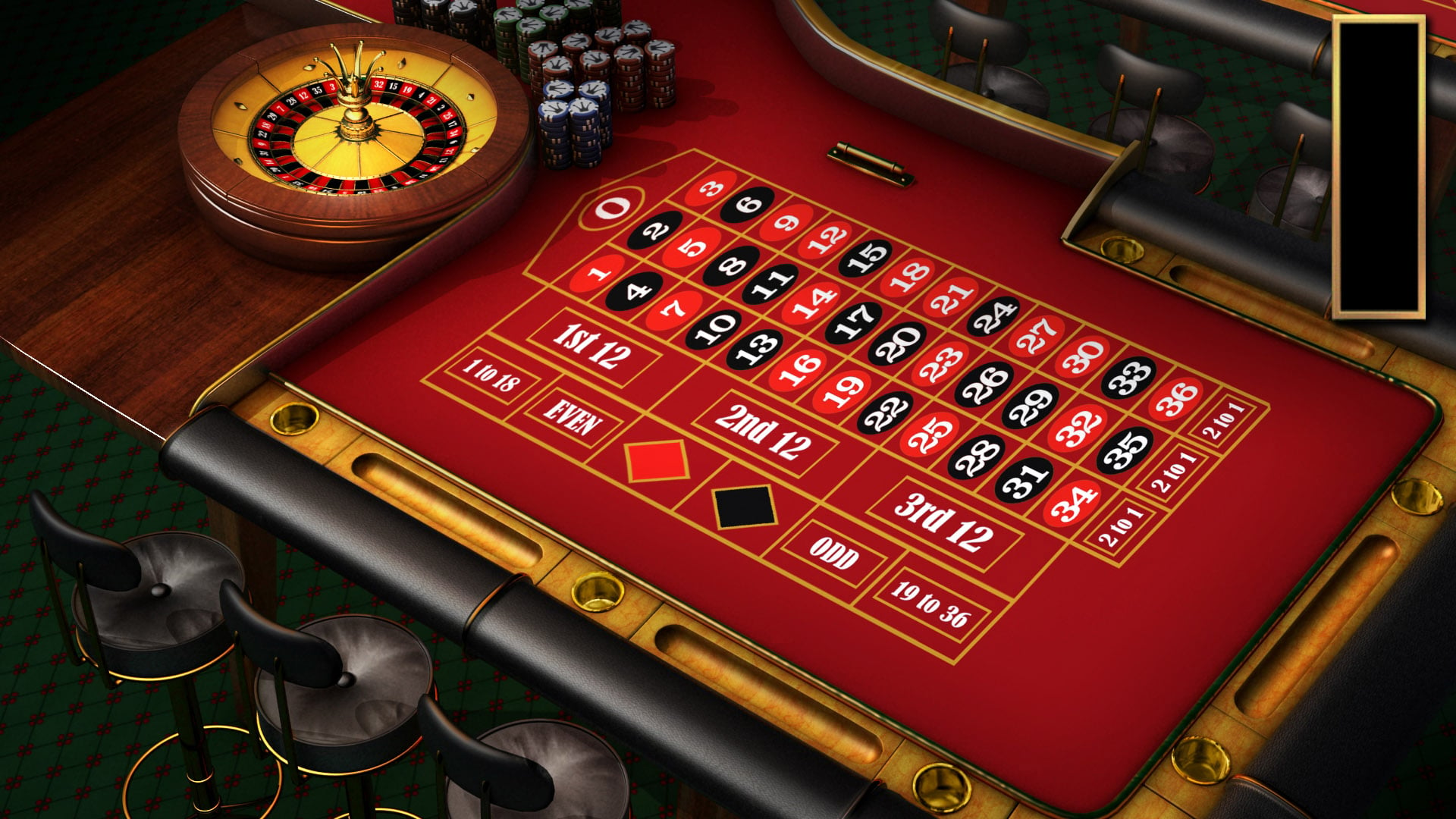
The genuine reason the casino prospers is not infernal at all but mathematical. A green zero, and a second one on American wheels, hands the house a small but permanent advantage on every single bet that lands on the felt.
That built-in edge is the quiet toll https://vvegas-casino.net/ roulette collects over time, and it differs sharply between the two main styles of wheel, as the figures below lay out plainly.
| Wheel type | Zeroes | House edge |
| European | One green zero | About 2.7% |
| American | Two green zeroes | About 5.26% |
More Folklore Than Fact
For all the talk of beasts and bargains, roulette earned its nickname through a numerical coincidence and a good story rather than anything truly dark. The 666 total is real and the Blanc legend is charming, yet neither has any bearing on how the ball actually falls.
Each spin is governed by ordinary physics and probability, indifferent to superstition and entirely free of any curse stitched into the wheel itself.

Jim's passion for Apple products ignited in 2007 when Steve Jobs introduced the first iPhone. This was a canon event in his life. Noticing a lack of iPad-focused content that is easy to understand even for “tech-noob”, he decided to create Tabletmonkeys in 2011.
Jim continues to share his expertise and passion for tablets, helping his audience as much as he can with his motto “One Swipe at a Time!”