
Mobile Gaming Spotlight: ‘Drop The Boss’ and the Future of Slots
Slot machines, for most of their history, have been stubbornly predictable. You pull a lever – or tap a screen – and wait for the reels to settle. The appeal lies in repetition, in rhythm, in the faint hope that this spin might differ from the last.
Yet mobile gaming has begun to unsettle that rhythm. Not dramatically, not all at once, but in small, cumulative ways. Tablets, in particular, have played a quiet role in this shift.
Their larger screens and responsive interfaces allow developers to experiment without losing clarity. What emerges is not a reinvention of the slot machine, exactly, but something that feels adjacent to it.
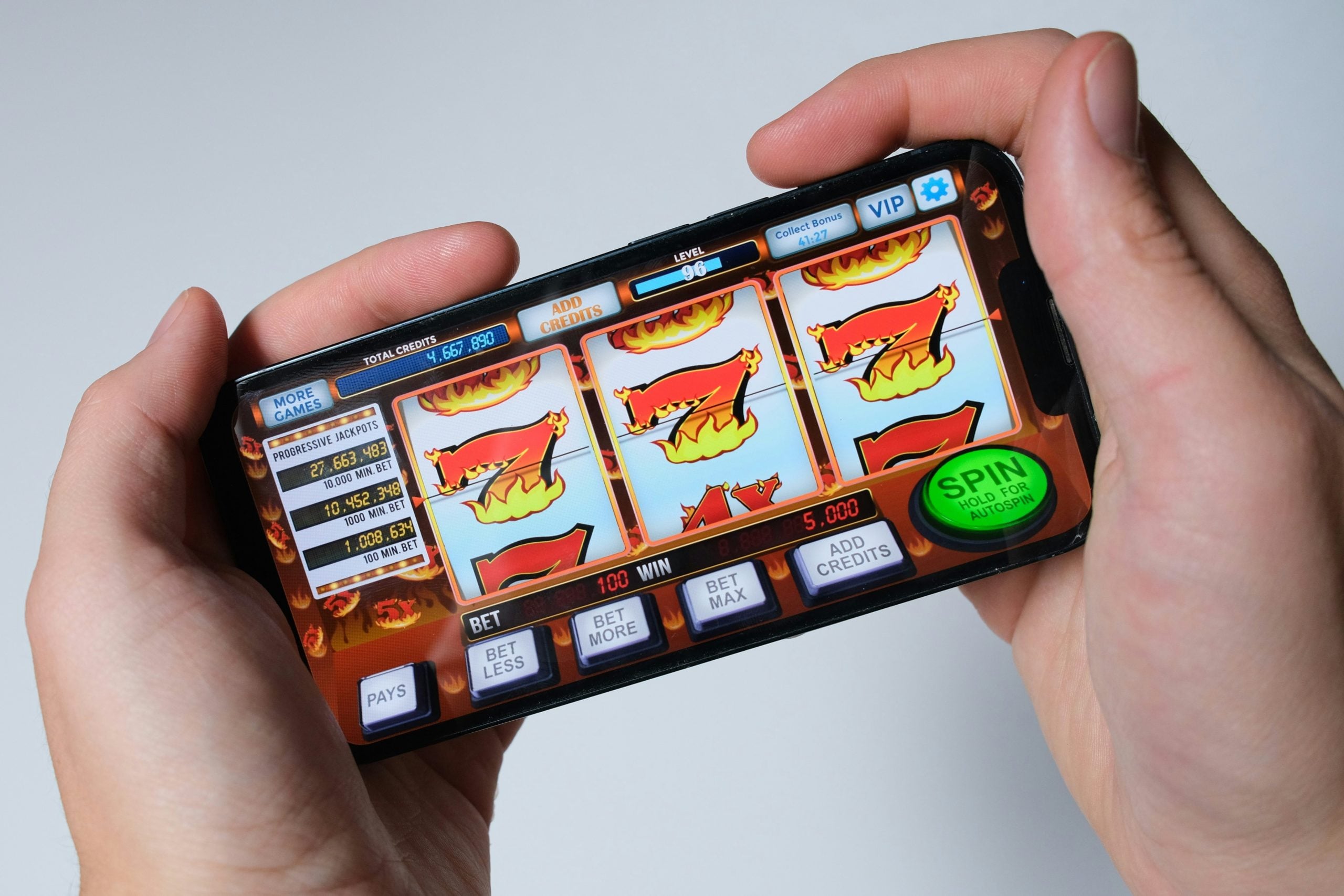
Why Tablets Changed the Feel of Casino Play
It is tempting to think of tablets as simply larger phones. In practice, they occupy a different space. A phone is often used in fragments – a few minutes here, a quick check there. A tablet invites slightly longer attention. You sit with it, rather than glance at it.
That distinction matters for game design. On a bigger screen, developers can layer information more carefully. Animations have room to breathe. A multiplier does not need to flash aggressively to be noticed; it can unfold at a measured pace.
In mobile slots, this has encouraged a gradual move toward more visual storytelling. Not quite narrative, but something with a beginning, middle, and end – even if it lasts only a few seconds.
The Limits of Traditional Reels
For all their familiarity, spinning reels are a constraint. They impose a structure that is easy to understand but difficult to extend. You can add paylines, cluster mechanics, or cascading symbols, but the underlying idea remains the same.
This has led some developers to look elsewhere. Instead of refining the reel, they ask a slightly different question: what if the “spin” were not a spin at all?
The answers vary. Some introduce grid-based systems, others lean into physics-inspired movement. The goal is not novelty for its own sake, or at least not entirely, but a way to make each round feel less isolated.
Enter Drop The Boss
Drop The Boss is one of the clearer examples of this approach. It replaces reels with a vertical descent, where a character falls through obstacles, collecting values and triggering modifiers along the way. The result is still random, still governed by probability, but the path to that outcome is more visible.
A detailed look at the game’s structure can be found in this Drop The Boss slot review, which outlines its mechanics and payout model. What is striking, though, is not just how it works, but how it feels to play.
There is a sense – perhaps illusory, but effective – that the outcome is unfolding rather than being revealed. Traditional slots deliver a result in a single moment. Here, it arrives in stages. Coins accumulate, multipliers appear, small decisions seem implied, even if they are not actually present.
It is, in a modest way, a shift in perception.
Familiar Mathematics Beneath the Surface
Despite this change in presentation, the underlying structure remains conventional. The game operates with a return-to-player rate in the region typically associated with modern slots, and its volatility leans toward the higher end. In other words, wins are less frequent but potentially more substantial.
This is not unusual. Many contemporary slots follow a similar pattern, trading consistency for occasional large payouts. What matters is that the rules remain transparent. Players can still understand the broad contours of risk and reward.
In that sense, Drop The Boss is less radical than it first appears. It dresses familiar mathematics in a different costume, rather than discarding it entirely.
Engagement Without Excess
There is a fine line between innovation and distraction. Add too many features, and a game risks becoming cluttered. Strip too much away, and it loses interest.
What is notable here is a certain restraint. The descent mechanic is central, but it is not overwhelmed by additional systems. Multipliers and bonuses exist, but they are integrated into the flow rather than interrupting it.
For those curious about how these elements interact in practice, another overview of the game mechanics offers a useful breakdown. It highlights how features are layered without becoming excessive – a balance that is not always easy to achieve.
A Broader Shift in Mobile Slot Design
It would be a mistake to treat Drop The Boss as an isolated case. It is part of a broader movement, one that reflects changing expectations among players.
There is, increasingly, a preference for interaction – or at least the appearance of it. Players are not necessarily seeking control, but they are drawn to systems that feel dynamic. A sequence that evolves is more engaging than a result that simply appears.
Tablets amplify this effect. The additional screen space allows these sequences to unfold clearly, without the compression that can make similar mechanics feel chaotic on smaller devices.
Where Does this Leave the Future of Slots?
If there is a pattern here, it is one of gradual adaptation. Slots are not abandoning their foundations. The core ideas – chance, payout structures, volatility – remain intact.
What is changing is the way those ideas are presented. The interface becomes more expressive. The process becomes more visible. The distinction between a slot and a casual game begins, ever so slightly, to blur.
Whether this represents a lasting shift or a temporary phase is difficult to say. The industry has a habit of circling back to familiar formats. Still, experiments like Drop The Boss suggest that there is room, even within a well-established genre, for quiet innovation.
And perhaps that is enough. Not a revolution, but a subtle rethinking of what a “spin” can be.

Jim's passion for Apple products ignited in 2007 when Steve Jobs introduced the first iPhone. This was a canon event in his life. Noticing a lack of iPad-focused content that is easy to understand even for “tech-noob”, he decided to create Tabletmonkeys in 2011.
Jim continues to share his expertise and passion for tablets, helping his audience as much as he can with his motto “One Swipe at a Time!”