
The Shift Toward Larger Displays in Everyday Tablets
For years, tablets sat in an awkward middle ground. Smaller models were easy to carry but cramped, while larger ones felt like specialist tools aimed at designers or office work. That balance is now breaking down, and not by accident.
In 2026, mainstream tablets are getting bigger because everyday use has changed. People stream, message, browse, sketch, and juggle apps on a single device, often for hours at a time.
The problem manufacturers faced was simple: compact screens no longer matched how tablets were actually being used.
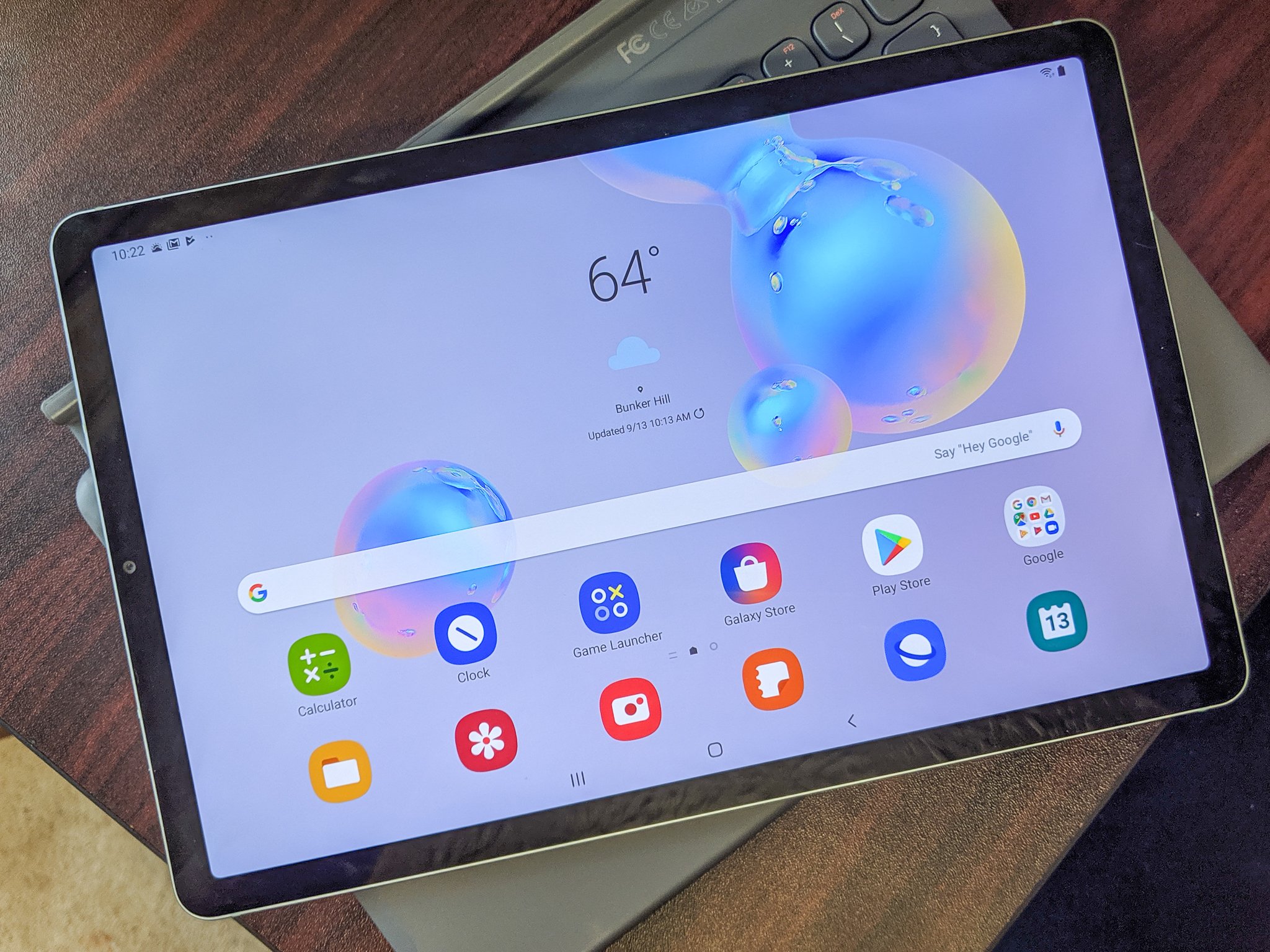
Why Screen Sizes Keep Growing?
The move toward larger displays starts with how tablets function as entertainment hubs. Watching video, reading long articles, or managing multiple chats is noticeably more comfortable on a 12-inch screen than on something closer to a phone. As app libraries expand, the visual payoff of extra space becomes harder to ignore.
That shift is reflected in sales patterns. According to a 2025 market report, tablets larger than 10.5 inches grew their market share from 74% in Q1 2024 to 88% in Q1 2025. Bigger screens are no longer a premium niche; they are now the default choice.
Larger displays also support a wider range of casual apps. Beyond streaming and social platforms, users run games and interactive services that benefit from more room to breathe, including casinos accessible via the dedicated apps listed by GamblingInsider alongside video or messaging.
For casino users, larger screens mean more space to see live dealers and the cards on the table. Video streamers benefit from larger screens by being able to see more detail, especially when it comes to movies rather than social media content.
This kind of mixed, non-linear usage helps explain why screen real estate has become a selling point rather than a trade-off.
Multitasking And App Ecosystems
The solution to cramped workflows has been straightforward: give users space. Split-screen modes, floating windows, and stylus-friendly interfaces work best when apps are not fighting for pixels. Even light multitasking, like replying to messages while browsing, feels less constrained on a larger panel.
Manufacturers have responded by aligning software updates with bigger displays. App developers follow that lead, optimising layouts for landscape use and multi-pane views. As a result, larger tablets feel more fluid, not just bigger.
This approach also makes business sense. Worldwide tablet shipments grew 13.1% year over year in Q2 2025 to 38.3 million units, based on IDC shipment data. Growth encourages brands to refine mainstream designs rather than experiment at the margins.

Trade-Offs In Portability
Bigger screens do come with compromises. A 12-inch tablet is heavier, harder to hold one-handed, and less likely to slip into a small bag. For commuters or frequent travellers, that still matters.
Yet accessories soften the impact. Slim keyboard covers double as stands, and thinner bezels reduce overall size without shrinking the display. The result is a device that travels well enough while delivering a far better viewing experience once opened.
Choosing The Right Size In 2026
For buyers, the question is no longer whether large tablets make sense, but which size fits daily habits. The U.S. tablet market alone was valued at $17.1 billion in 2025 and is projected to reach $62.2 billion by 2035, according to a market forecast. That scale means more choice, not less.
If most tablet time is spent reading, watching, and switching between apps, larger displays feel like a practical solution to an everyday problem. The era of the “too big” tablet is quietly ending, replaced by screens sized for how people actually use them.

Jim's passion for Apple products ignited in 2007 when Steve Jobs introduced the first iPhone. This was a canon event in his life. Noticing a lack of iPad-focused content that is easy to understand even for “tech-noob”, he decided to create Tabletmonkeys in 2011.
Jim continues to share his expertise and passion for tablets, helping his audience as much as he can with his motto “One Swipe at a Time!”